Artificial Intelligence
Artificial Intelligence (AI) is one of the most influential technologies driving innovation in the digital era. AI enables computers and intelligent systems to simulate human intelligence by learning from data, recognizing patterns, making predictions, understanding natural language, and solving complex problems with speed and accuracy. Powered by machine learning, deep learning, natural language processing (NLP), computer vision, robotics, and generative AI, artificial intelligence is transforming the way businesses, governments, and societies operate.
Today, AI is revolutionizing industries including healthcare, cybersecurity, finance, manufacturing, education, transportation, agriculture, retail, smart cities, and environmental sustainability. AI-powered applications such as intelligent automation, autonomous vehicles, virtual assistants, medical diagnostics, fraud detection, predictive analytics, recommendation systems, and large language models are improving productivity, enhancing decision-making, and creating new opportunities for innovation.
The International Conference on Emerging Technologies and Future Innovations (Emerging Tech 2027) serves as a premier global platform for researchers, academicians, scientists, engineers, industry leaders, entrepreneurs, and policymakers to present pioneering research and discuss the latest developments in Artificial Intelligence. The conference focuses on emerging AI technologies, ethical and responsible AI, explainable AI (XAI), edge AI, intelligent automation, AI for cybersecurity, AI in healthcare, computer vision, robotics, and next-generation intelligent systems.
ICETFI 2027 encourages interdisciplinary collaboration, knowledge exchange, and industry–academia partnerships to address real-world challenges through innovative AI solutions. Participants will explore cutting-edge research, emerging applications, and future trends that are shaping the next generation of intelligent technologies. The conference aims to accelerate scientific discovery, foster global networking, and inspire transformative innovations that contribute to a smarter, more secure, and sustainable future.
Machine Learning and Deep Learning
Machine Learning (ML) and Deep Learning (DL) are transforming the future of artificial intelligence by enabling computers to learn from data, recognize patterns, and make intelligent decisions with minimal human intervention. As key drivers of digital transformation, these technologies are revolutionizing industries including healthcare, finance, cybersecurity, manufacturing, transportation, education, and smart cities. Machine learning algorithms analyze vast datasets to generate predictive insights, automate decision-making, and improve operational efficiency, while deep learning models leverage multi-layered neural networks to solve complex tasks such as image recognition, speech processing, natural language understanding, autonomous systems, and generative AI.
Recent advancements in machine learning and deep learning have accelerated innovation in areas such as explainable AI, computer vision, robotics, edge AI, large language models, precision medicine, fraud detection, and intelligent cybersecurity. Researchers and industry experts continue to develop scalable, secure, and ethical AI solutions that address real-world challenges while ensuring transparency, privacy, and responsible deployment.
The International Conference on Emerging Technologies and Future Innovations (Emerging Tech 2027) provides a global platform for researchers, academicians, engineers, industry professionals, and innovators to present cutting-edge research, exchange ideas, and explore the latest breakthroughs in machine learning and deep learning. The conference fosters interdisciplinary collaboration, promotes knowledge sharing, and highlights emerging trends shaping the next generation of intelligent technologies and AI-driven innovation.
Generative AI and Large Language Models
Generative Artificial Intelligence (Generative AI) and Large Language Models (LLMs) are transforming the future of intelligent computing by enabling machines to create human-like text, images, code, audio, video, and other digital content with remarkable accuracy and creativity. Built on advanced deep learning architectures, particularly transformer-based neural networks, these AI systems are trained on massive datasets to understand context, generate meaningful responses, solve complex problems, and assist in decision-making across diverse domains.
Large Language Models, including state-of-the-art foundation models, have revolutionized natural language processing by supporting applications such as intelligent chatbots, virtual assistants, automated content generation, language translation, document summarization, code generation, question answering, and conversational AI. Combined with Generative AI, these technologies are driving innovation in healthcare, cybersecurity, education, finance, manufacturing, legal services, scientific research, media, and software development through intelligent automation and enhanced human–AI collaboration.
Recent advancements in multimodal AI, retrieval-augmented generation (RAG), AI agents, explainable AI, responsible AI, and domain-specific foundation models continue to expand the capabilities of generative systems while emphasizing transparency, security, privacy, and ethical deployment.
The International Conference on Emerging Technologies and Future Innovations (Emerging Tech 2027) provides a premier global platform for researchers, academicians, scientists, engineers, industry professionals, startups, and policymakers to present groundbreaking research, exchange innovative ideas, and explore the latest advances in Generative AI and Large Language Models. The conference promotes interdisciplinary collaboration, industry–academia partnerships, and discussions on emerging trends, real-world applications, technical challenges, and future directions that will shape the next generation of intelligent and AI-powered technologies.
Explainable AI and Responsible AI
Explainable AI (XAI) and Responsible AI are essential pillars of modern artificial intelligence, ensuring that AI systems are transparent, trustworthy, fair, secure, and accountable. As AI technologies become increasingly integrated into critical sectors such as healthcare, cybersecurity, finance, manufacturing, education, government, and autonomous systems, there is a growing need for AI models that not only deliver accurate predictions but also provide clear explanations for their decisions. Explainable AI enables users to understand how AI models arrive at specific outcomes, improving transparency, interpretability, and confidence in AI-driven decision-making.
Responsible AI extends beyond explainability by promoting the ethical design, development, deployment, and governance of intelligent systems. It focuses on mitigating algorithmic bias, protecting privacy, ensuring data security, maintaining regulatory compliance, and establishing accountability throughout the AI lifecycle. Core principles of Responsible AI include fairness, transparency, inclusiveness, reliability, robustness, human oversight, and sustainability, enabling organizations to develop AI solutions that benefit society while minimizing potential risks.
Recent advances in Explainable AI and Responsible AI include interpretable machine learning, fairness-aware algorithms, AI governance frameworks, privacy-preserving machine learning, federated learning, model auditing, bias detection, secure AI, and regulatory compliance for trustworthy AI systems. These innovations are helping organizations build reliable AI applications that align with ethical standards and public trust.
The International Conference on Emerging Technologies and Future Innovations (Emerging Tech 2027) provides a premier global platform for researchers, academicians, industry professionals, policymakers, and technology leaders to present pioneering research, exchange innovative ideas, and discuss the latest developments in Explainable AI and Responsible AI. The conference fosters interdisciplinary collaboration, promotes ethical AI innovation, and explores emerging technologies, governance frameworks, and best practices that will shape the future of transparent, secure, and human-centered artificial intelligence.
Robotics and Autonomous Systems
Robotics and Autonomous Systems (RAS) represent one of the fastest-growing fields in modern engineering and artificial intelligence, integrating intelligent software, advanced sensors, computer vision, machine learning, and automation to develop systems capable of performing complex tasks with minimal or no human intervention. These technologies enable robots and autonomous platforms to perceive their environment, make real-time decisions, navigate dynamic conditions, and execute tasks with precision, efficiency, and reliability.
Robotics and autonomous systems are transforming industries such as manufacturing, healthcare, logistics, agriculture, aerospace, defense, transportation, construction, marine engineering, and smart cities. Applications include industrial automation, collaborative robots (cobots), autonomous vehicles, drones, robotic surgery, warehouse automation, precision agriculture, service robots, disaster response, and intelligent inspection systems. By combining artificial intelligence, the Internet of Things (IoT), edge computing, digital twins, and advanced control systems, next-generation robots are becoming more adaptive, collaborative, and capable of operating safely alongside humans.
Recent advancements in Robotics and Autonomous Systems include AI-powered robotics, swarm intelligence, human–robot interaction, autonomous navigation, robotic perception, reinforcement learning, soft robotics, cloud robotics, autonomous drones, and intelligent robotic manipulation. These innovations are accelerating digital transformation and creating new opportunities for sustainable industrial growth and improved quality of life.
The International Conference on Emerging Technologies and Future Innovations (Emerging Tech 2027) provides a premier global platform for researchers, academicians, engineers, scientists, industry experts, startups, and technology leaders to present cutting-edge research, exchange innovative ideas, and explore the latest developments in Robotics and Autonomous Systems. The conference promotes interdisciplinary collaboration, industry–academia partnerships, and discussions on emerging technologies, real-world applications, technical challenges, and future trends that will shape the next generation of intelligent, autonomous, and human-centric robotic systems.
Intelligent Automation
Intelligent Automation (IA) is the integration of Artificial Intelligence (AI), Machine Learning (ML), Robotic Process Automation (RPA), Natural Language Processing (NLP), computer vision, and advanced analytics to automate complex business processes and enhance organizational efficiency. Unlike traditional automation, which follows predefined rules, Intelligent Automation enables systems to learn from data, make informed decisions, adapt to changing environments, and continuously improve performance with minimal human intervention. By combining cognitive intelligence with process automation, IA empowers organizations to streamline operations, reduce costs, improve accuracy, and accelerate digital transformation.
Intelligent Automation is revolutionizing industries such as healthcare, banking and finance, manufacturing, retail, telecommunications, logistics, education, energy, government, and cybersecurity. Its applications include intelligent document processing, customer service automation, predictive maintenance, fraud detection, supply chain optimization, smart manufacturing, process mining, workflow automation, AI-powered virtual assistants, and autonomous business operations. Organizations are increasingly leveraging Intelligent Automation to enhance productivity, improve customer experiences, strengthen compliance, and support data-driven decision-making.
Recent advancements in Intelligent Automation include hyperautomation, AI agents, generative AI-powered workflows, intelligent process orchestration, digital twins, cloud automation, edge AI, process intelligence, low-code/no-code automation platforms, and human-in-the-loop AI systems. These innovations are enabling enterprises to build scalable, resilient, and intelligent ecosystems that drive operational excellence and sustainable growth.
The International Conference on Emerging Technologies and Future Innovations (Emerging Tech 2027) provides a premier global platform for researchers, academicians, engineers, industry professionals, entrepreneurs, and policymakers to present cutting-edge research, exchange innovative ideas, and explore the latest developments in Intelligent Automation. The conference promotes interdisciplinary collaboration, industry–academia partnerships, and discussions on emerging technologies, real-world applications, technical challenges, and future trends that are shaping the next generation of intelligent, automated, and AI-driven enterprises.
Internet of Things
The Internet of Things (IoT) is a transformative technology that connects physical devices, sensors, machines, vehicles, and smart systems through the internet, enabling seamless data collection, communication, and intelligent decision-making. By integrating embedded sensors, wireless communication, cloud computing, edge computing, artificial intelligence (AI), and data analytics, IoT empowers devices to monitor their environment, exchange real-time information, and automate processes with minimal human intervention. This interconnected ecosystem is driving digital transformation across industries by improving operational efficiency, enhancing productivity, and enabling smarter, data-driven solutions.
IoT is revolutionizing sectors such as healthcare, manufacturing, agriculture, transportation, energy, retail, logistics, smart cities, environmental monitoring, and industrial automation. Its applications include smart homes, connected healthcare, wearable devices, precision agriculture, intelligent transportation systems, predictive maintenance, smart grids, asset tracking, industrial IoT (IIoT), and autonomous infrastructure. Combined with AI, machine learning, 5G, blockchain, cloud computing, and edge intelligence, IoT enables organizations to optimize operations, improve customer experiences, reduce costs, and support sustainable development.
Recent advancements in the Internet of Things include AI-powered IoT, Edge AI, Digital Twins, Industrial IoT (IIoT), smart sensors, low-power wide-area networks (LPWAN), 5G-enabled IoT, cyber-physical systems, secure IoT architectures, and intelligent automation. These innovations are accelerating the development of connected ecosystems that are resilient, scalable, secure, and capable of addressing complex real-world challenges.
The International Conference on Emerging Technologies and Future Innovations (Emerging Tech 2027) provides a premier global platform for researchers, academicians, engineers, scientists, industry professionals, entrepreneurs, and policymakers to present cutting-edge research, exchange innovative ideas, and explore the latest advancements in the Internet of Things. The conference promotes interdisciplinary collaboration, industry–academia partnerships, and discussions on emerging IoT technologies, real-world applications, security challenges, interoperability, and future trends that are shaping the next generation of intelligent, connected, and sustainable digital ecosystems.
Industrial Internet of Things
The Industrial Internet of Things (IIoT) is an advanced application of the Internet of Things that connects industrial machines, sensors, control systems, and production equipment to create intelligent, data-driven manufacturing and industrial environments. By integrating smart sensors, industrial automation, artificial intelligence (AI), machine learning (ML), edge computing, cloud platforms, and advanced analytics, IIoT enables real-time monitoring, predictive maintenance, process optimization, and autonomous decision-making. This interconnected ecosystem enhances operational efficiency, improves asset performance, minimizes downtime, and accelerates digital transformation across industrial sectors.
Industrial IoT is revolutionizing industries such as manufacturing, energy and utilities, oil and gas, mining, transportation, logistics, aerospace, pharmaceuticals, food processing, and smart infrastructure. Key applications include smart factories, predictive maintenance, industrial robotics, digital twins, remote asset monitoring, supply chain optimization, quality assurance, intelligent process control, warehouse automation, and energy management. Combined with Industry 4.0 technologies such as 5G, edge AI, cloud computing, cybersecurity, blockchain, and advanced robotics, IIoT enables organizations to build connected, resilient, and highly efficient industrial ecosystems.
Recent advancements in the Industrial Internet of Things include AI-powered predictive analytics, autonomous manufacturing systems, intelligent industrial robotics, cyber-physical systems, industrial digital twins, edge intelligence, secure IIoT architectures, industrial cybersecurity, real-time process analytics, and sustainable smart manufacturing. These innovations are helping industries improve productivity, reduce operational costs, increase safety, and achieve greater sustainability.
The International Conference on Emerging Technologies and Future Innovations (Emerging Tech 2027) provides a premier global platform for researchers, academicians, engineers, scientists, industry professionals, technology providers, entrepreneurs, and policymakers to present cutting-edge research, exchange innovative ideas, and explore the latest developments in the Industrial Internet of Things. The conference promotes interdisciplinary collaboration, industry–academia partnerships, and discussions on emerging IIoT technologies, industrial automation, smart manufacturing, cybersecurity, interoperability, and future trends that are shaping the next generation of intelligent, connected, and sustainable industrial systems.
Smart Sensors and Embedded Systems
Smart Sensors and Embedded Systems are fundamental technologies driving the next generation of intelligent devices, connected systems, and Industry 4.0 applications. Smart sensors combine sensing capabilities with embedded processing, communication, and data analytics to collect, process, and transmit real-time information from physical environments. Embedded systems, consisting of specialized hardware and software, provide intelligent control and automation for electronic devices, enabling efficient, reliable, and autonomous operation. Together, these technologies form the foundation of modern Internet of Things (IoT), Industrial IoT (IIoT), robotics, autonomous systems, healthcare devices, smart infrastructure, and cyber-physical systems.
Smart Sensors and Embedded Systems are transforming industries including manufacturing, healthcare, automotive, aerospace, agriculture, energy, telecommunications, environmental monitoring, consumer electronics, and smart cities. Their applications include industrial automation, wearable health monitoring, intelligent transportation systems, smart grids, precision agriculture, autonomous vehicles, medical devices, predictive maintenance, remote sensing, smart buildings, and intelligent robotics. By integrating artificial intelligence (AI), machine learning, edge computing, wireless communication, and low-power electronics, these technologies enable real-time monitoring, adaptive control, predictive analytics, and intelligent decision-making.
Recent advancements in Smart Sensors and Embedded Systems include AI-enabled sensors, Edge AI, MEMS technology, low-power embedded processors, sensor fusion, real-time operating systems (RTOS), wireless sensor networks, TinyML, digital twins, FPGA-based embedded platforms, secure embedded computing, and energy-efficient microcontrollers. These innovations are enabling scalable, secure, and intelligent systems capable of operating efficiently in complex and dynamic environments.
The International Conference on Emerging Technologies and Future Innovations (Emerging Tech 2027) provides a premier global platform for researchers, academicians, engineers, scientists, industry professionals, entrepreneurs, and policymakers to present pioneering research, exchange innovative ideas, and explore the latest developments in Smart Sensors and Embedded Systems. The conference promotes interdisciplinary collaboration, industry–academia partnerships, and discussions on emerging technologies, real-world applications, system design, embedded intelligence, IoT integration, cybersecurity, and future trends that are shaping the next generation of smart, connected, and autonomous technologies.
Industry 40
Industry 4.0, also known as the Fourth Industrial Revolution, represents the next generation of smart manufacturing and digital transformation. It integrates advanced technologies such as Artificial Intelligence (AI), Machine Learning (ML), the Industrial Internet of Things (IIoT), cloud computing, edge computing, robotics, digital twins, big data analytics, cybersecurity, additive manufacturing, and autonomous systems to create intelligent, connected, and highly automated industrial environments. By enabling seamless communication between machines, systems, and people, Industry 4.0 enhances operational efficiency, productivity, flexibility, and sustainability across the manufacturing value chain.
Industry 4.0 is transforming sectors including manufacturing, automotive, aerospace, energy, pharmaceuticals, healthcare, logistics, mining, food processing, electronics, and smart infrastructure. Its applications include smart factories, predictive maintenance, intelligent quality control, autonomous production systems, collaborative robotics (cobots), real-time asset monitoring, digital supply chains, warehouse automation, energy optimization, and intelligent process management. Through real-time data acquisition and AI-driven analytics, organizations can optimize production, reduce downtime, improve product quality, lower operational costs, and accelerate innovation.
Recent advancements in Industry 4.0 include AI-powered manufacturing, cyber-physical systems (CPS), digital twins, Industrial IoT (IIoT), Edge AI, 5G-enabled smart factories, blockchain for supply chain management, industrial cybersecurity, cloud manufacturing, autonomous mobile robots (AMRs), and sustainable smart production. These innovations are enabling resilient, adaptive, and intelligent manufacturing ecosystems capable of responding rapidly to evolving market demands.
The International Conference on Emerging Technologies and Future Innovations (Emerging Tech 2027) provides a premier global platform for researchers, academicians, engineers, scientists, industry professionals, entrepreneurs, and policymakers to present groundbreaking research, exchange innovative ideas, and explore the latest developments in Industry 4.0. The conference promotes interdisciplinary collaboration, industry–academia partnerships, and discussions on smart manufacturing, industrial automation, digital transformation, emerging technologies, real-world applications, technical challenges, and future trends that are shaping the factories and industries of tomorrow.
Industry 50
Industry 5.0 represents the next evolution of industrial transformation, building upon the foundations of Industry 4.0 by placing human creativity, sustainability, and resilience at the center of advanced manufacturing and digital innovation. While Industry 4.0 focuses on automation and interconnected smart factories, Industry 5.0 emphasizes collaboration between humans and intelligent machines, combining Artificial Intelligence (AI), collaborative robotics (cobots), Industrial Internet of Things (IIoT), digital twins, edge computing, cloud technologies, additive manufacturing, and advanced analytics to create personalized, sustainable, and human-centric industrial ecosystems.
Industry 5.0 is transforming industries such as manufacturing, healthcare, automotive, aerospace, energy, pharmaceuticals, agriculture, logistics, construction, and smart infrastructure. Its applications include human–robot collaboration, mass customization, intelligent production systems, sustainable manufacturing, predictive maintenance, smart supply chains, autonomous quality inspection, digital engineering, personalized healthcare, and circular economy initiatives. By integrating AI with human expertise, Industry 5.0 enables organizations to enhance productivity, improve worker safety, optimize resource utilization, reduce environmental impact, and foster continuous innovation.
Recent advancements in Industry 5.0 include AI-powered collaborative robots, human-centered automation, cyber-physical systems, digital twins, Edge AI, explainable AI, sustainable smart factories, autonomous mobile robots (AMRs), intelligent manufacturing execution systems, industrial metaverse technologies, green manufacturing, and resilient supply chain management. These innovations are enabling industries to create adaptive, intelligent, and environmentally responsible production environments that balance technological advancement with human well-being.
The International Conference on Emerging Technologies and Future Innovations (Emerging Tech 2027) provides a premier global platform for researchers, academicians, engineers, scientists, industry professionals, entrepreneurs, and policymakers to present groundbreaking research, exchange innovative ideas, and explore the latest developments in Industry 5.0. The conference promotes interdisciplinary collaboration, industry–academia partnerships, and discussions on human-centric manufacturing, sustainable industrial transformation, emerging technologies, real-world applications, technical challenges, and future trends that are shaping the factories, workplaces, and industries of the future.
Digital Transformation and Enterprise Innovation
Digital Transformation and Enterprise Innovation are driving the evolution of modern organizations by integrating advanced digital technologies, intelligent automation, and data-driven strategies into every aspect of business operations. Digital transformation goes beyond technology adoption—it reimagines business models, customer experiences, operational processes, and organizational culture to create agile, resilient, and innovation-driven enterprises. By leveraging Artificial Intelligence (AI), Machine Learning (ML), cloud computing, big data analytics, the Internet of Things (IoT), blockchain, cybersecurity, edge computing, and intelligent automation, organizations can improve efficiency, accelerate decision-making, and gain a competitive advantage in an increasingly digital economy.
Digital Transformation and Enterprise Innovation are revolutionizing industries such as healthcare, finance, manufacturing, retail, education, telecommunications, logistics, energy, government, and smart cities. Key applications include digital business models, enterprise resource planning (ERP), customer relationship management (CRM), intelligent supply chains, cloud-native applications, process automation, predictive analytics, digital twins, smart manufacturing, e-commerce platforms, and AI-powered customer engagement. These technologies enable organizations to optimize operations, enhance customer experiences, foster innovation, reduce costs, and improve business resilience.
Recent advancements in Digital Transformation include Generative AI, intelligent enterprise platforms, hyperautomation, Edge AI, low-code and no-code development, cloud-native computing, digital ecosystems, robotic process automation (RPA), blockchain-enabled business solutions, data governance, and enterprise cybersecurity. These innovations empower organizations to rapidly adapt to changing market conditions while promoting sustainable growth, operational excellence, and continuous innovation.
The International Conference on Emerging Technologies and Future Innovations (Emerging Tech 2027) provides a premier global platform for researchers, academicians, engineers, scientists, business leaders, entrepreneurs, industry professionals, and policymakers to present groundbreaking research, exchange innovative ideas, and explore the latest developments in Digital Transformation and Enterprise Innovation. The conference promotes interdisciplinary collaboration, industry–academia partnerships, and discussions on emerging technologies, digital business strategies, intelligent enterprises, organizational transformation, innovation management, and future trends that are shaping the next generation of digitally empowered organizations and sustainable economic growth.
Quantum Computing
Quantum Computing is a revolutionary computing paradigm that leverages the principles of quantum mechanics to solve highly complex computational problems beyond the capabilities of classical computers. Unlike traditional computers that process information using binary bits (0s and 1s), quantum computers use quantum bits (qubits), which can exist in multiple states simultaneously through superposition and become interconnected through quantum entanglement. These unique properties enable quantum systems to perform massively parallel computations, offering unprecedented computational power for solving optimization, simulation, cryptography, and machine learning challenges.
Quantum Computing is transforming diverse sectors including healthcare, pharmaceuticals, finance, cybersecurity, telecommunications, logistics, manufacturing, energy, climate science, materials engineering, and aerospace. Its applications include drug discovery, molecular modeling, financial risk analysis, portfolio optimization, supply chain optimization, quantum machine learning, artificial intelligence, secure quantum communication, weather forecasting, cryptographic analysis, and advanced scientific simulations. As quantum hardware and algorithms continue to mature, organizations are exploring hybrid quantum-classical computing models to accelerate innovation and address previously intractable problems.
Recent advancements in Quantum Computing include fault-tolerant quantum architectures, quantum error correction, quantum machine learning, quantum cryptography, post-quantum cybersecurity, quantum networking, superconducting qubits, trapped-ion systems, photonic quantum computing, quantum cloud platforms, and quantum software development frameworks. These innovations are paving the way for scalable, secure, and commercially viable quantum technologies that will redefine computing in the coming decades.
The International Conference on Emerging Technologies and Future Innovations (Emerging Tech 2027) provides a premier global platform for researchers, academicians, scientists, engineers, industry experts, entrepreneurs, and policymakers to present pioneering research, exchange innovative ideas, and explore the latest developments in Quantum Computing. The conference promotes interdisciplinary collaboration, industry–academia partnerships, and discussions on quantum algorithms, quantum hardware, cryptography, artificial intelligence, real-world applications, technical challenges, and future trends that are shaping the next generation of computational intelligence and scientific discovery.
Quantum Communication and Quantum Security
Quantum Communication and Quantum Security represent the next frontier in secure information exchange, leveraging the principles of quantum mechanics to protect data against increasingly sophisticated cyber threats. Unlike conventional cryptographic systems that rely on mathematical complexity, quantum communication utilizes quantum phenomena such as superposition, entanglement, and the no-cloning theorem to enable fundamentally secure transmission of information. These technologies provide unprecedented levels of confidentiality, integrity, and resilience, making them essential for safeguarding critical infrastructure, financial systems, government communications, healthcare data, and next-generation digital services.
Quantum communication technologies are transforming sectors including telecommunications, defense, banking and finance, healthcare, aerospace, research, smart cities, and cloud computing. Key applications include Quantum Key Distribution (QKD), quantum networks, quantum internet, secure satellite communication, post-quantum cryptography, secure cloud computing, blockchain security, identity management, and critical infrastructure protection. As quantum computers continue to evolve, organizations are increasingly adopting quantum-safe security frameworks to protect sensitive information from future quantum-enabled cyberattacks.
Recent advancements in Quantum Communication and Quantum Security include quantum repeaters, entanglement-based communication, quantum teleportation, quantum random number generators (QRNGs), post-quantum cryptographic algorithms, quantum network architectures, secure multi-party quantum communication, hybrid quantum-classical security systems, and AI-enhanced quantum cybersecurity. These innovations are accelerating the development of scalable, secure, and globally connected quantum communication infrastructures for the digital era.
The International Conference on Emerging Technologies and Future Innovations (Emerging Tech 2027) provides a premier global platform for researchers, academicians, scientists, engineers, cybersecurity experts, industry professionals, entrepreneurs, and policymakers to present pioneering research, exchange innovative ideas, and explore the latest developments in Quantum Communication and Quantum Security. The conference fosters interdisciplinary collaboration, industry–academia partnerships, and discussions on quantum cryptography, secure communication protocols, quantum networking, post-quantum security, real-world applications, technical challenges, and future trends that are shaping the next generation of trusted, resilient, and secure digital communication systems.
Cybersecurity and Information Security
Cybersecurity and Information Security are critical disciplines dedicated to protecting digital systems, networks, applications, and sensitive information from cyber threats, unauthorized access, and data breaches. As organizations increasingly adopt cloud computing, artificial intelligence (AI), the Internet of Things (IoT), blockchain, and digital transformation technologies, ensuring the confidentiality, integrity, and availability of information has become a global priority. Cybersecurity focuses on defending digital infrastructure against evolving cyberattacks, while Information Security encompasses the policies, technologies, and governance frameworks that safeguard data throughout its lifecycle.
Cybersecurity and Information Security are essential across industries including banking and finance, healthcare, government, manufacturing, telecommunications, education, energy, transportation, defense, e-commerce, and critical infrastructure. Key applications include network security, cloud security, endpoint protection, identity and access management (IAM), data encryption, digital forensics, security operations centers (SOC), incident response, vulnerability management, threat intelligence, secure software development, zero-trust architecture, and compliance with international security standards. These solutions enable organizations to mitigate cyber risks, ensure regulatory compliance, protect privacy, and maintain business continuity.
Recent advancements in Cybersecurity include AI-powered threat detection, extended detection and response (XDR), security orchestration, automation and response (SOAR), zero-trust security, quantum-resistant cryptography, blockchain-based security, cloud-native security, confidential computing, cyber threat intelligence, digital identity management, ransomware defense, and secure edge computing. These innovations are helping organizations build resilient cyber ecosystems capable of defending against increasingly sophisticated cyber threats.
The International Conference on Emerging Technologies and Future Innovations (Emerging Tech 2027) provides a premier global platform for researchers, academicians, cybersecurity professionals, engineers, scientists, industry experts, entrepreneurs, and policymakers to present pioneering research, exchange innovative ideas, and explore the latest developments in Cybersecurity and Information Security. The conference promotes interdisciplinary collaboration, industry–academia partnerships, and discussions on emerging security technologies, cyber resilience, digital trust, privacy protection, governance frameworks, real-world applications, technical challenges, and future trends that are shaping the future of secure digital ecosystems.
Blockchain and Distributed Ledger Technologies
Blockchain and Distributed Ledger Technologies (DLT) are transforming the digital economy by providing decentralized, transparent, secure, and tamper-resistant platforms for recording, verifying, and managing digital transactions. Unlike traditional centralized systems, blockchain utilizes a distributed network of nodes to maintain a shared ledger where every transaction is cryptographically secured, validated through consensus mechanisms, and permanently recorded. This decentralized architecture enhances trust, data integrity, transparency, and resilience while eliminating single points of failure and reducing the need for intermediaries.
Blockchain and DLT are revolutionizing industries such as finance, banking, healthcare, supply chain management, manufacturing, energy, government, telecommunications, education, agriculture, and smart cities. Key applications include cryptocurrencies, smart contracts, decentralized finance (DeFi), digital identity management, secure data sharing, healthcare record management, asset tokenization, cross-border payments, supply chain traceability, intellectual property protection, electronic voting systems, and Internet of Things (IoT) security. By integrating Artificial Intelligence (AI), cloud computing, edge computing, cybersecurity, and quantum-resistant cryptography, blockchain platforms are enabling secure, scalable, and interoperable digital ecosystems.
Recent advancements in Blockchain and Distributed Ledger Technologies include enterprise blockchain platforms, Layer-2 scaling solutions, cross-chain interoperability, zero-knowledge proofs (ZKPs), decentralized autonomous organizations (DAOs), blockchain analytics, Web3 technologies, decentralized identity (DID), non-fungible tokens (NFTs), blockchain-based cybersecurity, green blockchain solutions, and privacy-preserving distributed systems. These innovations are accelerating digital transformation while improving operational efficiency, transparency, trust, and regulatory compliance across diverse sectors.
The International Conference on Emerging Technologies and Future Innovations (Emerging Tech 2027) provides a premier global platform for researchers, academicians, engineers, scientists, industry professionals, entrepreneurs, and policymakers to present pioneering research, exchange innovative ideas, and explore the latest developments in Blockchain and Distributed Ledger Technologies. The conference promotes interdisciplinary collaboration, industry–academia partnerships, and discussions on decentralized systems, smart contracts, secure digital infrastructure, real-world applications, technical challenges, governance models, and future trends that are shaping the next generation of trusted digital ecosystems.
Web3 and Decentralized Applications
Web3 and Decentralized Applications (dApps) represent the next generation of the internet, built on decentralized technologies that empower users with greater control over their data, digital identities, and online interactions. Unlike traditional Web2 platforms, where data and services are managed by centralized organizations, Web3 leverages blockchain technology, smart contracts, decentralized storage, and distributed networks to create transparent, secure, trustless, and user-centric digital ecosystems. This paradigm shift is enabling innovative business models, peer-to-peer collaboration, and decentralized governance while reducing dependence on centralized intermediaries.
Web3 and decentralized applications are transforming industries such as finance, healthcare, supply chain, gaming, digital identity, education, media, telecommunications, real estate, and government services. Key applications include decentralized finance (DeFi), non-fungible tokens (NFTs), decentralized autonomous organizations (DAOs), decentralized identity (DID), blockchain-based voting systems, decentralized marketplaces, metaverse platforms, tokenized assets, secure digital payments, content ownership, and peer-to-peer data sharing. By integrating Artificial Intelligence (AI), the Internet of Things (IoT), cloud computing, cybersecurity, and distributed ledger technologies, Web3 is enabling highly secure, interoperable, and intelligent digital ecosystems.
Recent advancements in Web3 include Layer-2 scaling solutions, cross-chain interoperability, zero-knowledge proofs (ZKPs), decentralized cloud computing, privacy-preserving protocols, blockchain oracles, decentralized social networks, decentralized storage platforms, programmable digital assets, AI-powered decentralized applications, and quantum-resistant blockchain security. These innovations are driving the evolution of a more open, transparent, resilient, and user-owned internet.
The International Conference on Emerging Technologies and Future Innovations (Emerging Tech 2027) provides a premier global platform for researchers, academicians, engineers, scientists, industry professionals, entrepreneurs, startups, and policymakers to present groundbreaking research, exchange innovative ideas, and explore the latest developments in Web3 and Decentralized Applications. The conference fosters interdisciplinary collaboration, industry–academia partnerships, and discussions on decentralized technologies, blockchain innovation, smart contracts, digital identity, secure applications, governance models, real-world use cases, technical challenges, and future trends shaping the evolution of the decentralized digital economy.
Cloud Computing
Cloud Computing is a transformative technology that delivers computing resources—including servers, storage, databases, networking, software, analytics, and artificial intelligence (AI)—over the internet on demand. By eliminating the need for extensive on-premises infrastructure, cloud computing enables organizations to access scalable, flexible, and cost-effective IT services while accelerating digital transformation and innovation. Modern cloud platforms support rapid application development, seamless collaboration, business continuity, and real-time data processing, making cloud computing a cornerstone of today's digital economy.
Cloud computing is revolutionizing industries such as healthcare, banking and finance, manufacturing, education, retail, telecommunications, logistics, government, media, and smart cities. Its applications include Infrastructure as a Service (IaaS), Platform as a Service (PaaS), Software as a Service (SaaS), cloud-native application development, big data analytics, disaster recovery, Internet of Things (IoT) platforms, enterprise resource planning (ERP), customer relationship management (CRM), virtual desktops, and AI-powered cloud services. By integrating AI, machine learning, edge computing, blockchain, and advanced cybersecurity solutions, cloud platforms enable organizations to improve operational efficiency, reduce infrastructure costs, and deliver highly reliable digital services.
Recent advancements in Cloud Computing include multi-cloud and hybrid cloud architectures, serverless computing, containerization, Kubernetes orchestration, Edge Cloud, confidential computing, AI-as-a-Service (AIaaS), cloud automation, cloud security, cloud-native DevOps, green cloud computing, and sustainable data center technologies. These innovations are enabling organizations to build intelligent, secure, resilient, and scalable digital infrastructures capable of supporting next-generation applications.
The International Conference on Emerging Technologies and Future Innovations (Emerging Tech 2027) provides a premier global platform for researchers, academicians, engineers, scientists, industry professionals, entrepreneurs, cloud architects, and policymakers to present pioneering research, exchange innovative ideas, and explore the latest developments in Cloud Computing. The conference fosters interdisciplinary collaboration, industry–academia partnerships, and discussions on cloud technologies, digital transformation, enterprise innovation, cybersecurity, AI integration, real-world applications, technical challenges, and future trends that are shaping the future of intelligent and connected digital ecosystems.
Edge Computing and Fog Computing
Edge Computing and Fog Computing are next-generation distributed computing paradigms that bring data processing, storage, and analytics closer to the source of data generation. Unlike traditional cloud computing, which relies on centralized data centers, Edge Computing processes information directly on edge devices or nearby edge servers, while Fog Computing extends cloud capabilities through intermediate network nodes. Together, these technologies reduce latency, minimize bandwidth consumption, enhance data privacy, and enable real-time decision-making for mission-critical applications. By integrating Artificial Intelligence (AI), the Internet of Things (IoT), 5G, cloud computing, and advanced analytics, Edge and Fog Computing are accelerating the development of intelligent, responsive, and highly efficient digital ecosystems.
Edge Computing and Fog Computing are transforming industries such as manufacturing, healthcare, transportation, telecommunications, energy, agriculture, retail, smart cities, autonomous vehicles, and industrial automation. Key applications include Industrial Internet of Things (IIoT), smart factories, autonomous systems, predictive maintenance, intelligent surveillance, remote healthcare, connected vehicles, smart grids, augmented and virtual reality (AR/VR), real-time video analytics, environmental monitoring, and mission-critical communication systems. These technologies enable organizations to process massive volumes of data locally while ensuring faster response times, improved reliability, enhanced security, and optimized network performance.
Recent advancements in Edge Computing and Fog Computing include AI-powered edge analytics, Edge AI, TinyML, multi-access edge computing (MEC), edge-native applications, containerized edge platforms, edge orchestration, federated learning, digital twins, secure edge architectures, 5G-enabled edge networks, serverless edge computing, and energy-efficient edge devices. These innovations are enabling scalable, resilient, and intelligent distributed computing infrastructures capable of supporting next-generation digital services.
The International Conference on Emerging Technologies and Future Innovations (Emerging Tech 2027) provides a premier global platform for researchers, academicians, engineers, scientists, industry professionals, entrepreneurs, and policymakers to present pioneering research, exchange innovative ideas, and explore the latest developments in Edge Computing and Fog Computing. The conference fosters interdisciplinary collaboration, industry–academia partnerships, and discussions on distributed computing architectures, real-time intelligence, AI integration, IoT ecosystems, cybersecurity, emerging applications, technical challenges, and future trends that are shaping the future of connected, autonomous, and intelligent computing environments.
5G, 6G and Future Communication Networks
5G, 6G, and Future Communication Networks are transforming the global digital landscape by enabling ultra-fast, intelligent, secure, and highly connected communication infrastructures. While 5G delivers enhanced mobile broadband, ultra-reliable low-latency communication (URLLC), and massive machine-type communication (mMTC), 6G is expected to extend these capabilities through AI-native networking, terahertz communications, integrated sensing, intelligent edge computing, and ubiquitous connectivity. These next-generation communication technologies will support real-time data exchange, autonomous systems, immersive digital experiences, and large-scale Internet of Things (IoT) ecosystems, laying the foundation for the future digital society.
5G, 6G, and future communication networks are revolutionizing industries including healthcare, manufacturing, transportation, automotive, aerospace, agriculture, education, telecommunications, smart cities, defense, and entertainment. Key applications include autonomous vehicles, smart factories, remote healthcare, industrial automation, augmented and virtual reality (AR/VR), extended reality (XR), connected robotics, intelligent transportation systems, digital twins, precision agriculture, smart energy grids, satellite communications, and massive IoT deployments. By integrating Artificial Intelligence (AI), edge computing, cloud computing, cybersecurity, blockchain, and quantum communication, these advanced networks enable seamless, reliable, and intelligent connectivity across diverse environments.
Recent advancements in 5G and emerging 6G technologies include Open Radio Access Networks (Open RAN), network slicing, AI-driven network optimization, software-defined networking (SDN), network function virtualization (NFV), integrated terrestrial and non-terrestrial networks (NTN), terahertz communications, reconfigurable intelligent surfaces (RIS), semantic communications, AI-native wireless systems, green networking, quantum communication integration, and energy-efficient network architectures. These innovations are paving the way for resilient, sustainable, and intelligent communication ecosystems capable of supporting future digital services and global connectivity.
The International Conference on Emerging Technologies and Future Innovations (Emerging Tech 2027) provides a premier global platform for researchers, academicians, engineers, scientists, telecommunications experts, industry professionals, entrepreneurs, and policymakers to present pioneering research, exchange innovative ideas, and explore the latest developments in 5G, 6G, and Future Communication Networks. The conference fosters interdisciplinary collaboration, industry–academia partnerships, and discussions on next-generation wireless technologies, intelligent networking, communication security, real-world applications, technical challenges, and future trends that are shaping the future of global digital communications.
Digital Twins and Intelligent Simulation
Digital Twins and Intelligent Simulation have emerged as transformative technologies that bridge the gap between physical and virtual environments, enabling organizations to model, monitor, analyze, and optimize complex systems with unprecedented accuracy. By integrating Artificial Intelligence (AI), the Internet of Things (IoT), cloud and edge computing, big data analytics, and real-time sensor networks, digital twins create dynamic virtual representations of physical assets, processes, and infrastructures throughout their lifecycle.
As industries accelerate digital transformation, intelligent simulation empowers researchers and engineers to predict system behavior, evaluate multiple scenarios, improve operational efficiency, reduce risks, and support data-driven decision-making before deploying solutions in real-world environments. These technologies are driving innovation across smart manufacturing, healthcare, aerospace, transportation, energy, construction, agriculture, smart cities, and autonomous systems by enabling predictive maintenance, process optimization, sustainability, and resilient infrastructure.
The World Congress on Emerging Technologies and Future Innovations (Emerging Tech 2027) invites researchers, academicians, industry professionals, innovators, entrepreneurs, and policymakers to present pioneering research, practical implementations, case studies, and emerging trends in Digital Twins and Intelligent Simulation. This track provides a global platform for discussing novel methodologies, intelligent modeling techniques, simulation-driven engineering, cyber-physical systems, and next-generation digital ecosystems that are shaping the future of intelligent industries.
Contributors are encouraged to explore interdisciplinary approaches that combine AI, machine learning, robotics, extended reality (AR/VR/MR), blockchain, high-performance computing, and advanced visualization to develop scalable, secure, and intelligent digital twin solutions. The conference aims to foster international collaboration and accelerate technological advancements that will define the next era of smart, connected, and autonomous systems.
Topics of Interest
-
Digital Twin Architectures and Frameworks
-
AI-Enabled Digital Twins
-
Intelligent Modeling and Simulation
-
Physics-Based and Hybrid Simulation
-
Industrial Digital Twins and Industry 5.0
-
Smart Manufacturing and Process Optimization
-
Cyber-Physical Systems (CPS)
-
Internet of Things (IoT) Integration
-
Real-Time Monitoring and Predictive Analytics
-
Predictive Maintenance and Asset Lifecycle Management
-
Smart Cities and Urban Digital Twins
-
Healthcare and Personalized Digital Twins
-
Digital Twins for Energy Systems and Smart Grids
-
Transportation, Mobility, and Autonomous Vehicles
-
Aerospace and Automotive Simulation
-
Robotics and Autonomous Systems Simulation
-
Cloud, Edge, and Distributed Digital Twin Platforms
-
Building Information Modeling (BIM) and Smart Infrastructure
-
AR/VR/XR for Immersive Simulation
-
High-Performance Computing for Large-Scale Simulation
-
Supply Chain and Logistics Optimization
-
Environmental and Climate Digital Twins
-
Security, Privacy, and Trustworthy Digital Twins
-
Interoperability, Standards, and Data Governance
-
Sustainable and Green Digital Twin Technologies
-
Future Trends in Intelligent Simulation and Virtual Engineering
Metaverse Technologies and Virtual Collaboration
The Metaverse is rapidly evolving into a next-generation digital ecosystem where physical and virtual worlds seamlessly converge to create immersive, interactive, and persistent digital experiences. Enabled by advancements in Artificial Intelligence (AI), Extended Reality (XR), blockchain, cloud and edge computing, digital twins, high-speed 5G/6G networks, and the Internet of Things (IoT), metaverse technologies are transforming how individuals, businesses, and communities communicate, collaborate, learn, innovate, and conduct commerce across interconnected virtual environments.
Virtual collaboration platforms are redefining remote work, education, healthcare, manufacturing, engineering, entertainment, and social interaction by enabling real-time, immersive, and intelligent communication regardless of geographical boundaries. Through realistic avatars, shared digital workspaces, virtual simulations, digital assets, and decentralized ecosystems, organizations can improve productivity, accelerate innovation, enhance user engagement, and create entirely new business models. As the metaverse continues to mature, emerging technologies are addressing challenges related to interoperability, scalability, cybersecurity, privacy, digital identity, governance, and ethical AI to build secure, inclusive, and sustainable virtual ecosystems.
The World Congress on Emerging Technologies and Future Innovations (Emerging Tech 2027) invites researchers, academicians, industry experts, entrepreneurs, innovators, and policymakers to present pioneering research, technological innovations, practical implementations, and real-world applications in Metaverse Technologies and Virtual Collaboration. This track provides an international forum for discussing novel architectures, immersive collaboration frameworks, decentralized virtual platforms, intelligent digital environments, and next-generation human-computer interaction that are shaping the future of connected societies.
Contributors are encouraged to explore interdisciplinary research integrating metaverse technologies with AI, machine learning, blockchain, digital twins, robotics, cybersecurity, cloud computing, spatial computing, and immersive analytics to develop scalable, trustworthy, and intelligent virtual ecosystems. The conference aims to foster global collaboration and accelerate innovations that will define the future of digital communication, remote collaboration, immersive experiences, and the intelligent virtual economy.
HumanComputer Interaction
Human-Computer Interaction (HCI) is a multidisciplinary field that focuses on the design, development, and evaluation of interactive computing systems that enhance the relationship between humans and technology. As Artificial Intelligence (AI), Extended Reality (XR), robotics, wearable computing, Internet of Things (IoT), cloud computing, and ubiquitous digital systems continue to evolve, HCI is playing a pivotal role in creating intuitive, adaptive, secure, and user-centric experiences across diverse domains. The future of intelligent technologies depends not only on computational capabilities but also on how effectively people can interact with, understand, and trust these systems.
Modern HCI research extends beyond traditional graphical user interfaces to include voice assistants, conversational AI, gesture recognition, brain-computer interfaces, multimodal interaction, haptic technologies, affective computing, and immersive environments. These innovations are transforming healthcare, education, smart cities, autonomous transportation, manufacturing, entertainment, finance, retail, and digital government by improving accessibility, productivity, collaboration, and user satisfaction.
The World Congress on Emerging Technologies and Future Innovations (Emerging Tech 2027) invites researchers, academicians, industry professionals, designers, engineers, innovators, and policymakers to present original research, technological innovations, practical applications, and case studies in Human-Computer Interaction. This track provides an international platform for exploring emerging interaction paradigms, intelligent interfaces, inclusive design, usability engineering, user experience (UX), and next-generation digital ecosystems that empower people through technology.
Contributors are encouraged to present interdisciplinary research integrating HCI with Artificial Intelligence, machine learning, virtual and augmented reality, robotics, digital twins, cloud computing, cybersecurity, data analytics, and cognitive science to develop accessible, trustworthy, and human-centered computing systems. The conference aims to foster global collaboration and accelerate innovations that shape the future of seamless, intelligent, and inclusive human-technology interaction.
Big Data Analytics
Big Data Analytics has become a cornerstone of digital transformation, enabling organizations to extract meaningful insights from vast volumes of structured, semi-structured, and unstructured data. With the rapid growth of Artificial Intelligence (AI), Machine Learning (ML), the Internet of Things (IoT), cloud computing, edge computing, and high-speed communication networks, organizations are generating unprecedented amounts of data that require advanced analytical techniques to uncover patterns, predict outcomes, optimize operations, and support intelligent decision-making.
Modern Big Data Analytics combines scalable data architectures, real-time stream processing, predictive modeling, deep learning, visualization, and intelligent automation to transform raw data into actionable knowledge. From healthcare and finance to smart cities, manufacturing, cybersecurity, retail, transportation, agriculture, telecommunications, and scientific research, big data technologies are driving innovation, operational efficiency, personalized services, and evidence-based decision-making across every sector of society.
The World Congress on Emerging Technologies and Future Innovations (Emerging Tech 2027) invites researchers, academicians, industry professionals, data scientists, engineers, innovators, entrepreneurs, and policymakers to present cutting-edge research, novel methodologies, practical applications, and industrial case studies in Big Data Analytics. This track provides an international platform for exploring emerging trends in intelligent data processing, scalable analytics platforms, AI-driven insights, data engineering, and next-generation analytical frameworks that support the development of smart, data-driven ecosystems.
Contributors are encouraged to present interdisciplinary research integrating Big Data Analytics with Artificial Intelligence, cloud computing, edge computing, blockchain, cybersecurity, digital twins, Internet of Things (IoT), and high-performance computing to develop secure, scalable, efficient, and trustworthy analytical solutions. The conference aims to foster international collaboration and accelerate innovations that will shape the future of intelligent data science, digital enterprises, and sustainable technological development.
Data Science and Predictive Analytics
Data Science and Predictive Analytics is revolutionizing the way organizations harness data to drive innovation, optimize performance, and make informed decisions. By integrating artificial intelligence, machine learning, statistical modeling, big data technologies, and advanced visualization, data science transforms complex datasets into meaningful insights that support strategic planning and future forecasting. Predictive analytics further enhances this capability by identifying trends, anticipating outcomes, detecting anomalies, and enabling proactive decision-making across dynamic environments.
The Data Science and Predictive Analytics track at the World Congress on Emerging Technologies and Future Innovations 2027 will bring together leading researchers, data scientists, industry experts, technology innovators, and academic professionals to explore the latest breakthroughs in intelligent data analysis and predictive technologies. The program will feature discussions on machine learning algorithms, deep learning, big data ecosystems, predictive modeling, time-series forecasting, business intelligence, data engineering, cloud and edge analytics, explainable AI (XAI), automated machine learning (AutoML), and real-time analytics. Participants will gain insights into how advanced analytical techniques are transforming industries through intelligent automation and evidence-based decision-making.
This track will also highlight practical applications of predictive analytics in healthcare, finance, cybersecurity, manufacturing, smart cities, agriculture, transportation, retail, energy, environmental monitoring, and public governance. Emphasis will be placed on addressing emerging challenges related to data privacy, cybersecurity, ethical AI, algorithmic fairness, model interpretability, and responsible data governance. By fostering interdisciplinary collaboration and knowledge exchange, the conference aims to accelerate the development of next-generation analytical solutions that support digital transformation, sustainable innovation, and resilient global ecosystems.
Researchers are invited to present pioneering studies, innovative methodologies, industrial case studies, and transformative applications that demonstrate the power of data science and predictive analytics in solving complex real-world challenges. Through keynote lectures, technical sessions, panel discussions, and networking opportunities, this track will serve as a catalyst for advancing intelligent technologies and shaping the future of data-driven innovation in an increasingly connected world.
Autonomous Vehicles
Autonomous Vehicles (AVs) are revolutionizing modern transportation by integrating artificial intelligence (AI), machine learning, computer vision, robotics, sensor fusion, and advanced communication technologies to enable vehicles to operate with minimal or no human intervention. Equipped with technologies such as LiDAR, radar, cameras, GPS, and real-time data processing, autonomous vehicles can perceive their surroundings, make intelligent driving decisions, and navigate complex environments with enhanced safety and efficiency. These innovations are paving the way for smarter, connected, and sustainable transportation systems.
The Autonomous Vehicles track at the World Congress on Emerging Technologies and Future Innovations 2027 provides an international platform for researchers, engineers, automotive experts, AI scientists, policymakers, and industry leaders to explore the latest developments shaping the future of intelligent mobility. The program will feature cutting-edge research on autonomous driving algorithms, perception systems, vehicle-to-everything (V2X) communication, connected and cooperative vehicles, intelligent transportation systems (ITS), digital twins, edge computing, cybersecurity for autonomous systems, high-definition mapping, and human–machine interaction.
This track will also examine the transformative impact of autonomous technologies across passenger transportation, logistics, public transit, agriculture, mining, construction, marine systems, and aerial mobility. Discussions will address critical challenges including functional safety, ethical decision-making, regulatory frameworks, data privacy, cybersecurity, energy efficiency, and public acceptance of autonomous systems. Emphasis will be placed on integrating electric mobility, smart infrastructure, 5G/6G communication networks, and AI-driven traffic management to create resilient and sustainable transportation ecosystems.
Researchers are invited to present innovative methodologies, simulation models, real-world deployments, industrial case studies, and emerging applications that advance autonomous mobility. Through keynote lectures, technical sessions, panel discussions, and collaborative networking, this track aims to foster interdisciplinary innovation and accelerate the adoption of safe, intelligent, and connected autonomous vehicle technologies that will shape the future of transportation worldwide.
Smart Transportation Systems
Smart Transportation Systems (STS) are transforming the future of mobility by integrating artificial intelligence (AI), the Internet of Things (IoT), big data analytics, cloud and edge computing, 5G/6G communication, and intelligent infrastructure to create safer, more efficient, and sustainable transportation networks. By enabling real-time communication between vehicles, infrastructure, and traffic management systems, smart transportation improves traffic flow, reduces congestion, enhances road safety, minimizes environmental impact, and delivers seamless travel experiences for people and goods.
The Smart Transportation Systems track at the World Congress on Emerging Technologies and Future Innovations 2027 provides a premier international platform for researchers, engineers, policymakers, urban planners, automotive experts, and technology innovators to explore the latest advancements in intelligent mobility. The track will feature cutting-edge research on Intelligent Transportation Systems (ITS), connected and autonomous vehicles, Vehicle-to-Everything (V2X) communication, smart traffic management, AI-driven route optimization, digital twins, intelligent infrastructure, predictive maintenance, edge intelligence, and sustainable mobility solutions.
Participants will examine the integration of smart transportation with smart cities, electric vehicles, autonomous mobility, multimodal transportation, logistics, public transit, drone delivery systems, and intelligent fleet management. The program will also address critical challenges including cybersecurity, data privacy, interoperability, regulatory frameworks, infrastructure modernization, energy efficiency, and ethical AI in transportation. Emerging technologies such as digital mapping, computer vision, blockchain for transportation, real-time analytics, and cloud-enabled mobility services will also be explored.
This track encourages the presentation of innovative research, industrial case studies, simulation models, pilot deployments, and next-generation technologies that enhance transportation efficiency, resilience, and sustainability. Through keynote presentations, technical sessions, panel discussions, and collaborative networking, attendees will gain valuable insights into the future of connected mobility and intelligent transportation ecosystems. The conference aims to foster interdisciplinary collaboration and accelerate the development of smart transportation solutions that support safer roads, cleaner environments, and smarter cities worldwide.
Smart Cities and Digital Infrastructure
Smart Cities and Digital Infrastructure represent the next generation of urban development, where advanced digital technologies are seamlessly integrated into city planning, public services, and critical infrastructure to enhance sustainability, resilience, efficiency, and quality of life. Powered by Artificial Intelligence (AI), the Internet of Things (IoT), big data analytics, cloud and edge computing, 5G/6G networks, digital twins, blockchain, and intelligent automation, smart cities enable data-driven governance, optimize resource utilization, improve public safety, and create more connected, inclusive, and environmentally sustainable communities.
The Smart Cities and Digital Infrastructure track at the World Congress on Emerging Technologies and Future Innovations 2027 provides a global platform for researchers, urban planners, policymakers, engineers, technology innovators, industry leaders, and academics to discuss cutting-edge advancements shaping the cities of tomorrow. The program will feature the latest developments in intelligent transportation systems, smart energy grids, digital governance, smart buildings, connected infrastructure, urban mobility, intelligent water management, waste optimization, environmental monitoring, and AI-powered public services. Participants will also explore emerging technologies such as digital twins for urban planning, edge intelligence, geospatial analytics, cybersecurity for critical infrastructure, and resilient communication networks.
This track will address key challenges associated with urban digital transformation, including data privacy, cybersecurity, interoperability, ethical AI, infrastructure resilience, climate adaptation, and sustainable development. Discussions will highlight how intelligent technologies can improve healthcare delivery, emergency response, public safety, disaster management, renewable energy integration, and citizen engagement while supporting the United Nations Sustainable Development Goals (SDGs).
Researchers are invited to present innovative methodologies, real-world implementations, simulation models, industrial case studies, and transformative technologies that advance intelligent urban ecosystems. Through keynote presentations, technical sessions, panel discussions, and interdisciplinary collaboration, this track aims to foster innovation and accelerate the development of smart, secure, and sustainable cities. The World Congress on Emerging Technologies and Future Innovations 2027 serves as a catalyst for shaping the future of digitally connected infrastructure, resilient urban environments, and intelligent societies that improve the well-being of citizens worldwide.
Sustainable and Green Technologies
Sustainable and Green Technologies are driving the global transition toward environmentally responsible innovation by integrating advanced engineering, clean energy solutions, digital technologies, and circular economy principles to address climate change and resource challenges. These technologies focus on reducing carbon emissions, improving energy efficiency, minimizing waste, conserving natural resources, and promoting sustainable economic growth. Powered by Artificial Intelligence (AI), the Internet of Things (IoT), renewable energy systems, smart grids, digital twins, advanced materials, and data analytics, green technologies are transforming industries and enabling resilient, low-carbon societies.
The Sustainable and Green Technologies track at the World Congress on Emerging Technologies and Future Innovations 2027 provides an international forum for researchers, scientists, engineers, policymakers, industry leaders, entrepreneurs, and environmental experts to showcase cutting-edge innovations that support global sustainability goals. The program will highlight advances in renewable energy technologies, energy storage systems, hydrogen economy, carbon capture and utilization, green manufacturing, smart agriculture, sustainable transportation, water purification, waste management, eco-friendly materials, environmental monitoring, and climate-resilient infrastructure. Emerging digital technologies—including AI-driven energy optimization, IoT-enabled environmental sensing, blockchain for sustainable supply chains, and intelligent resource management—will also be explored.
This track will address critical challenges such as climate adaptation, environmental protection, biodiversity conservation, resource efficiency, circular economy implementation, sustainable urban development, and the integration of clean technologies into industrial and public sectors. Special emphasis will be placed on achieving the United Nations Sustainable Development Goals (SDGs), reducing environmental footprints, enhancing resilience to climate change, and fostering innovation that balances economic development with ecological responsibility.
Researchers are invited to present pioneering research, innovative technologies, industrial case studies, pilot projects, and interdisciplinary solutions that contribute to a greener and more sustainable future. Through keynote presentations, technical sessions, panel discussions, and collaborative networking,
The World Congress on Emerging Technologies and Future Innovations 2027 aims to accelerate the development and adoption of transformative green technologies that support environmental stewardship, sustainable innovation, and global prosperity for future generations.
Renewable Energy Technologies
Renewable Energy Technologies are transforming the global energy landscape by harnessing naturally replenishing resources such as solar, wind, hydro, geothermal, biomass, tidal, and ocean energy to deliver clean, reliable, and sustainable power. As nations strive to reduce greenhouse gas emissions and achieve carbon neutrality, renewable energy has become a cornerstone of sustainable development, energy security, and climate resilience. Advances in artificial intelligence (AI), the Internet of Things (IoT), smart grids, energy storage systems, digital twins, and predictive analytics are further enhancing the efficiency, reliability, and scalability of renewable energy systems.
The Renewable Energy Technologies track at the World Congress on Emerging Technologies and Future Innovations 2027 provides a premier international platform for researchers, scientists, engineers, policymakers, industry leaders, and innovators to present the latest breakthroughs in clean energy generation, storage, distribution, and management. The program will explore cutting-edge developments in photovoltaic technologies, offshore and onshore wind energy, green hydrogen production, bioenergy, geothermal systems, hydropower, battery technologies, fuel cells, smart microgrids, vehicle-to-grid (V2G) systems, and AI-driven energy optimization. Participants will also examine the role of digital technologies in improving energy forecasting, predictive maintenance, grid stability, and intelligent energy management.
This track will address critical challenges including renewable energy integration, energy storage, grid modernization, power electronics, cybersecurity for energy infrastructure, environmental sustainability, policy development, and the transition toward low-carbon economies. Special emphasis will be placed on innovative solutions that support the United Nations Sustainable Development Goals (SDGs), climate change mitigation, circular economy practices, and resilient energy systems for future generations.
Researchers are invited to present pioneering research, industrial case studies, pilot projects, simulation models, and emerging technologies that advance renewable energy innovation and accelerate the global clean energy transition. Through keynote lectures, technical sessions, panel discussions, and collaborative networking,the World Congress on Emerging Technologies and Future Innovations 2027 aims to foster interdisciplinary collaboration and inspire transformative solutions that contribute to a sustainable, energy-efficient, and environmentally responsible future.
Climate Technologies and Carbon Neutral Solutions
Climate Technologies and Carbon Neutral Solutions are at the forefront of global efforts to combat climate change, reduce greenhouse gas emissions, and accelerate the transition toward a sustainable, low-carbon future. By integrating cutting-edge innovations in renewable energy, artificial intelligence (AI), carbon capture, utilization and storage (CCUS), green hydrogen, smart grids, digital twins, energy storage, and circular economy practices, these technologies enable industries, governments, and communities to achieve net-zero emissions while promoting economic growth and environmental resilience.
The Climate Technologies and Carbon Neutral Solutions track at the World Congress on Emerging Technologies and Future Innovations 2027 provides an international platform for researchers, scientists, engineers, policymakers, entrepreneurs, and industry leaders to present pioneering research and transformative solutions addressing the global climate challenge. The program will explore emerging developments in carbon capture technologies, climate-smart agriculture, clean transportation, sustainable manufacturing, renewable energy integration, green buildings, carbon accounting, AI-driven climate modeling, environmental monitoring, and intelligent energy management. Participants will also examine the role of digital technologies such as IoT, blockchain, cloud computing, and predictive analytics in optimizing resource efficiency and supporting carbon-neutral ecosystems.
This track will address key challenges including climate adaptation, decarbonization strategies, energy transition, climate finance, environmental policy, carbon markets, biodiversity conservation, and resilient infrastructure. Special emphasis will be placed on technologies that contribute to the United Nations Sustainable Development Goals (SDGs), support circular economy initiatives, and strengthen global efforts to achieve carbon neutrality by mid-century.
Researchers are invited to present innovative methodologies, industrial case studies, pilot projects, simulation models, and breakthrough technologies that advance climate resilience and sustainable development. Through keynote presentations, technical sessions, panel discussions, and collaborative networking, the World Congress on Emerging Technologies and Future Innovations 2027 aims to foster interdisciplinary collaboration and accelerate the deployment of climate technologies that will shape a cleaner, greener, and more sustainable future for generations to come.
Advanced Materials and Smart Materials
Advanced Materials and Smart Materials are transforming modern science, engineering, and industrial innovation by enabling the development of high-performance, adaptive, and multifunctional materials with exceptional mechanical, electrical, thermal, optical, and chemical properties. These next-generation materials—including nanomaterials, metamaterials, biomaterials, self-healing materials, shape-memory alloys, conductive polymers, graphene, advanced composites, and responsive materials—are driving breakthroughs in healthcare, aerospace, electronics, energy, construction, manufacturing, robotics, and sustainable technologies. Their ability to sense, respond, and adapt to environmental changes is opening new possibilities for intelligent systems and future technological applications.
The Advanced Materials and Smart Materials track at the World Congress on Emerging Technologies and Future Innovations 2027 provides a global platform for researchers, material scientists, engineers, industrial experts, innovators, and academic leaders to present cutting-edge research and technological advancements in material design, synthesis, characterization, and real-world applications. The program will explore emerging developments in nanotechnology, functional materials, additive manufacturing, biomimetic materials, lightweight composites, energy storage materials, flexible electronics, quantum materials, smart coatings, and intelligent manufacturing processes. Discussions will also highlight the integration of artificial intelligence (AI), machine learning, digital twins, and computational materials science to accelerate material discovery, optimize performance, and reduce development time.
This track will address critical challenges related to material sustainability, recyclability, durability, scalability, cost-effectiveness, and environmental impact. Special emphasis will be placed on advanced materials that support renewable energy systems, electric vehicles, smart infrastructure, medical devices, wearable technologies, sensors, environmental remediation, and next-generation communication systems. Participants will explore innovative strategies for designing materials that contribute to sustainable manufacturing, circular economy initiatives, and resilient industrial ecosystems.
Researchers are invited to present pioneering studies, innovative fabrication techniques, industrial case studies, simulation models, and breakthrough applications that demonstrate the transformative potential of advanced and smart materials. Through keynote presentations, technical sessions, panel discussions, and interdisciplinary collaboration, the World Congress on Emerging Technologies and Future Innovations 2027 aims to accelerate scientific discovery, foster global partnerships, and inspire innovations that will shape the future of materials science and engineering across multiple industries.
Nanotechnology and Nanoengineering
Nanotechnology and Nanoengineering are revolutionizing science and engineering by enabling the design, manipulation, and application of materials and devices at the nanoscale, where unique physical, chemical, electrical, and biological properties emerge. By controlling matter at dimensions between 1 and 100 nanometers, researchers are developing innovative solutions that are transforming healthcare, electronics, energy, environmental sustainability, manufacturing, agriculture, aerospace, and advanced materials. The convergence of nanotechnology with artificial intelligence (AI), biotechnology, robotics, quantum technologies, and additive manufacturing is accelerating the development of next-generation products and intelligent systems.
The Nanotechnology and Nanoengineering track at the World Congress on Emerging Technologies and Future Innovations 2027 provides a premier international platform for researchers, scientists, engineers, industry professionals, entrepreneurs, and policymakers to present groundbreaking research and technological advancements in nanoscale science and engineering. The program will explore cutting-edge developments in nanomaterials, nanoparticles, nanocomposites, nanoelectronics, nanophotonics, nanomedicine, nanosensors, molecular engineering, quantum nanotechnology, nanoelectronics, energy nanomaterials, and nano-enabled manufacturing. Participants will also examine the integration of AI-driven material discovery, computational nanoscience, smart nanodevices, and digital simulation for accelerated innovation.
This track will address key challenges related to scalable nanomanufacturing, environmental sustainability, toxicity assessment, safety regulations, ethical considerations, commercialization, and responsible innovation. Special emphasis will be placed on applications of nanotechnology in targeted drug delivery, biomedical diagnostics, renewable energy systems, flexible electronics, water purification, environmental remediation, smart coatings, advanced batteries, high-performance sensors, and next-generation communication technologies.
Researchers are invited to present innovative methodologies, experimental studies, simulation models, industrial applications, and interdisciplinary research that demonstrate the transformative potential of nanotechnology and nanoengineering. Through keynote lectures, technical sessions, panel discussions, and collaborative networking, the World Congress on Emerging Technologies and Future Innovations 2027 aims to foster international collaboration, accelerate scientific discovery, and promote the development of sustainable nanoscale technologies that will shape the future of science, engineering, and global innovation.
Additive Manufacturing 3D 4D Printing
Additive Manufacturing (AM), 3D Printing, and 4D Printing are redefining the future of manufacturing by enabling the rapid, precise, and cost-effective production of complex components with unprecedented design flexibility. While 3D printing constructs objects layer by layer from digital models using polymers, metals, ceramics, composites, and biomaterials, 4D printing extends these capabilities by creating smart structures that can change shape, function, or properties in response to external stimuli such as heat, moisture, light, magnetic fields, or mechanical forces. These transformative technologies are accelerating innovation across aerospace, healthcare, automotive, construction, energy, electronics, consumer products, and biomedical engineering.
The Additive Manufacturing, 3D and 4D Printing track at the World Congress on Emerging Technologies and Future Innovations 2027 provides an international platform for researchers, engineers, material scientists, manufacturers, designers, and technology innovators to showcase the latest advancements in digital manufacturing and intelligent fabrication. The program will feature cutting-edge research in advanced printing technologies, metal additive manufacturing, bioprinting, multi-material printing, nano-additive manufacturing, hybrid manufacturing systems, digital twins, computational design, topology optimization, and AI-driven process optimization. Participants will also explore innovations in smart materials, self-assembling structures, programmable materials, and adaptive manufacturing enabled by 4D printing technologies.
This track will address emerging challenges related to process optimization, material development, quality assurance, standardization, scalability, sustainability, recycling, intellectual property, and industrial adoption. Special emphasis will be placed on applications in personalized medicine, tissue engineering, prosthetics, aerospace components, lightweight structures, renewable energy systems, smart infrastructure, wearable technologies, electronics, and advanced robotics. Discussions will also highlight the integration of additive manufacturing with Industry 5.0, automation, robotics, cloud manufacturing, artificial intelligence, and digital supply chains.
Researchers are invited to present pioneering research, innovative fabrication techniques, industrial case studies, simulation models, and transformative applications that advance the field of additive manufacturing. Through keynote presentations, technical sessions, panel discussions, and interdisciplinary collaboration, the World Congress on Emerging Technologies and Future Innovations 2027 aims to foster global partnerships, accelerate technology transfer, and inspire next-generation manufacturing solutions that support sustainable production, intelligent design, and the future of advanced engineering.
Semiconductor Technologies and Microelectronics
Semiconductor Technologies and Microelectronics are the foundation of the modern digital world, powering everything from smartphones and computers to artificial intelligence systems, autonomous vehicles, telecommunications, medical devices, and advanced industrial automation. Continuous advancements in semiconductor materials, chip design, fabrication processes, integrated circuits (ICs), and nanoscale electronics are enabling faster computing, greater energy efficiency, enhanced connectivity, and intelligent embedded systems. As emerging technologies such as AI, quantum computing, 5G/6G networks, edge computing, and the Internet of Things (IoT) continue to evolve, innovations in semiconductor technology have become essential for driving the next generation of electronic devices and digital transformation.
The Semiconductor Technologies and Microelectronics track at the World Congress on Emerging Technologies and Future Innovations 2027 provides a premier international platform for researchers, scientists, engineers, chip designers, manufacturers, industry leaders, and academic experts to present the latest advances in semiconductor science, microelectronics, and integrated system design. The program will explore cutting-edge developments in semiconductor materials, CMOS technologies, system-on-chip (SoC) design, VLSI, MEMS, nanoelectronics, photonic integrated circuits, power electronics, flexible electronics, semiconductor packaging, heterogeneous integration, and advanced lithography. Participants will also examine the role of artificial intelligence, machine learning, digital twins, and electronic design automation (EDA) in accelerating chip development, verification, and manufacturing.
This track will address critical challenges including device miniaturization, energy-efficient computing, thermal management, semiconductor manufacturing, supply chain resilience, fabrication process optimization, reliability, cybersecurity for hardware systems, and sustainable semiconductor production. Special emphasis will be placed on emerging applications in AI accelerators, quantum devices, automotive electronics, wearable technologies, biomedical devices, renewable energy systems, smart manufacturing, and next-generation communication infrastructure.
Researchers are invited to present pioneering research, innovative fabrication techniques, industrial case studies, simulation models, and breakthrough technologies that advance semiconductor innovation and microelectronic system design. Through keynote lectures, technical sessions, panel discussions, and collaborative networking, the World Congress on Emerging Technologies and Future Innovations 2027 aims to foster interdisciplinary collaboration, strengthen academia–industry partnerships, and accelerate the development of intelligent, high-performance, and sustainable semiconductor technologies that will shape the future of global innovation.
Photonics, Optoelectronics and Laser Technologies
Photonics, Optoelectronics and Laser Technologies are driving the next generation of scientific discovery and technological innovation by harnessing the power of light for communication, sensing, imaging, manufacturing, healthcare, computing, and energy applications. Advances in photonic devices, optical materials, semiconductor lasers, integrated photonics, quantum optics, and optoelectronic systems are enabling ultra-fast data transmission, high-precision measurements, energy-efficient electronics, and groundbreaking medical and industrial technologies. The convergence of photonics with artificial intelligence (AI), nanotechnology, quantum computing, advanced materials, and next-generation communication networks is opening new frontiers in research and innovation.
The Photonics, Optoelectronics and Laser Technologies track at the World Congress on Emerging Technologies and Future Innovations 2027 provides a global platform for researchers, physicists, engineers, industry experts, technology innovators, and academic leaders to present cutting-edge research and emerging applications in light-based technologies. The program will explore advancements in integrated photonics, optical communication systems, fiber optics, silicon photonics, photonic integrated circuits (PICs), laser systems, ultrafast lasers, quantum photonics, nonlinear optics, optoelectronic devices, optical sensors, imaging systems, holography, biomedical optics, LiDAR, and advanced spectroscopy. Participants will also examine AI-assisted optical system design, photonic computing, smart optical networks, and next-generation sensing technologies.
This track will address key challenges including device miniaturization, energy-efficient photonic systems, scalable manufacturing, optical integration, precision fabrication, reliability, sustainability, and commercialization of emerging photonic technologies. Special emphasis will be placed on applications in telecommunications, healthcare, autonomous vehicles, aerospace, defense, environmental monitoring, industrial automation, renewable energy, smart manufacturing, and quantum information processing. Discussions will also explore the role of photonics in enabling 6G communications, intelligent sensing, high-performance computing, and advanced imaging systems.
Researchers are invited to present innovative methodologies, experimental studies, simulation models, industrial case studies, and breakthrough technologies that advance photonics and optoelectronics. Through keynote presentations, technical sessions, panel discussions, and interdisciplinary collaboration, the World Congress on Emerging Technologies and Future Innovations 2027 aims to foster international partnerships, accelerate technology transfer, and inspire transformative innovations that will shape the future of light-based science, engineering, and intelligent technologies.
Biotechnology and Synthetic Biology
Biotechnology and Synthetic Biology are revolutionizing healthcare, agriculture, environmental sustainability, industrial manufacturing, and bioengineering by combining advances in molecular biology, genetic engineering, computational biology, and artificial intelligence (AI). Biotechnology harnesses biological systems, organisms, and biomolecules to develop innovative products and processes, while synthetic biology extends these capabilities by designing, engineering, and constructing novel biological systems with customized functions. Together, these rapidly evolving fields are enabling breakthroughs in precision medicine, regenerative therapies, sustainable agriculture, bio-based manufacturing, renewable biofuels, environmental remediation, and next-generation biomaterials.
The Biotechnology and Synthetic Biology track at the World Congress on Emerging Technologies and Future Innovations 2027 provides a premier international platform for researchers, biotechnologists, synthetic biologists, engineers, healthcare professionals, industry leaders, entrepreneurs, and policymakers to present cutting-edge research and transformative innovations in modern biological sciences. The program will explore advances in genome engineering, CRISPR and gene editing, synthetic genomes, systems biology, metabolic engineering, bioprocess engineering, computational biology, bioinformatics, precision medicine, tissue engineering, bioprinting, industrial biotechnology, microbial engineering, biosensors, synthetic cells, and AI-driven drug discovery. Participants will also examine the integration of machine learning, robotics, automation, and digital biology to accelerate research, optimize biological processes, and enhance therapeutic development.
This track will address critical challenges including biosafety, biosecurity, ethical and regulatory considerations, sustainable biomanufacturing, data integration, scalability, commercialization, and responsible innovation. Special emphasis will be placed on applications in personalized healthcare, vaccine development, infectious disease control, agricultural biotechnology, climate-resilient crops, environmental monitoring, carbon capture using engineered microorganisms, bio-based chemicals, renewable energy, and circular bioeconomy initiatives.
Researchers are invited to present pioneering research, innovative methodologies, industrial case studies, translational technologies, and interdisciplinary applications that demonstrate the transformative potential of biotechnology and synthetic biology. Through keynote lectures, technical sessions, panel discussions, workshops, and collaborative networking, the World Congress on Emerging Technologies and Future Innovations 2027 aims to foster global partnerships, accelerate scientific discovery, and inspire sustainable biological innovations that will address some of the world's most pressing health, environmental, and industrial challenges.
Digital Healthcare and Medical Technologies
Digital Healthcare and Medical Technologies are transforming the future of healthcare by integrating artificial intelligence (AI), the Internet of Medical Things (IoMT), big data analytics, cloud computing, wearable devices, robotics, telemedicine, and advanced medical imaging to deliver more personalized, efficient, and accessible patient care. These innovations are enhancing disease prevention, diagnosis, treatment, remote monitoring, and clinical decision-making while improving healthcare outcomes, operational efficiency, and patient engagement. The convergence of digital technologies with precision medicine and biomedical engineering is accelerating the development of intelligent healthcare systems capable of addressing the evolving needs of global populations.
The Digital Healthcare and Medical Technologies track at the World Congress on Emerging Technologies and Future Innovations 2027 provides a global platform for researchers, clinicians, biomedical engineers, healthcare professionals, technology innovators, policymakers, and industry leaders to present the latest advancements shaping the future of digital medicine. The program will feature cutting-edge research in AI-assisted diagnostics, clinical decision support systems, digital therapeutics, telehealth, wearable and implantable medical devices, smart hospitals, robotic surgery, medical imaging, health informatics, bioinformatics, electronic health records (EHRs), digital twins in healthcare, predictive analytics, precision medicine, and AI-driven drug discovery. Participants will also explore emerging technologies such as blockchain for secure health data management, Internet of Medical Things (IoMT), augmented and virtual reality for medical training, and cloud-based healthcare platforms.
This track will address critical challenges including healthcare data privacy, cybersecurity, interoperability, ethical AI, regulatory compliance, equitable access to digital health services, and the integration of intelligent technologies into clinical practice. Special emphasis will be placed on applications in chronic disease management, personalized medicine, remote patient monitoring, emergency care, mental health, elderly care, rehabilitation, public health surveillance, and pandemic preparedness. Discussions will also highlight the role of digital innovation in improving healthcare delivery in both developed and resource-limited settings.
Researchers are invited to present pioneering research, clinical studies, innovative medical devices, software platforms, industrial case studies, and interdisciplinary solutions that advance digital healthcare. Through keynote presentations, technical sessions, panel discussions, workshops, and collaborative networking, the World Congress on Emerging Technologies and Future Innovations 2027 aims to foster international collaboration, accelerate the adoption of intelligent medical technologies, and inspire transformative innovations that improve patient outcomes, strengthen healthcare systems, and promote healthier societies worldwide.
Precision Medicine and Personalized Healthcare
Precision Medicine and Personalized Healthcare represent a transformative approach to modern medicine by delivering the right treatment to the right patient at the right time. By integrating genomics, proteomics, metabolomics, bioinformatics, artificial intelligence (AI), machine learning, and advanced data analytics, precision medicine enables healthcare providers to tailor prevention, diagnosis, and treatment strategies based on an individual's genetic makeup, lifestyle, environmental factors, and clinical history. This personalized approach enhances treatment effectiveness, minimizes adverse drug reactions, and supports early disease detection, ultimately improving patient outcomes and quality of life.
The Precision Medicine and Personalized Healthcare track at the World Congress on Emerging Technologies and Future Innovations 2027 provides a premier international forum for researchers, clinicians, biomedical scientists, geneticists, pharmaceutical experts, healthcare professionals, data scientists, and technology innovators to explore the latest advances in individualized healthcare. The program will feature cutting-edge research in genomic medicine, pharmacogenomics, biomarker discovery, molecular diagnostics, precision oncology, regenerative medicine, gene and cell therapies, digital therapeutics, wearable health technologies, AI-powered clinical decision support systems, multi-omics integration, and predictive analytics. Participants will also examine the growing role of digital health platforms, electronic health records, cloud computing, and digital twins in enabling personalized treatment planning and continuous patient monitoring.
This track will address emerging challenges related to genomic data privacy, ethical and legal considerations, cybersecurity, interoperability of healthcare systems, equitable access to precision medicine, regulatory frameworks, and responsible AI implementation in clinical practice. Special emphasis will be placed on applications in cancer care, cardiovascular diseases, neurological disorders, rare genetic diseases, infectious diseases, metabolic disorders, immunotherapy, chronic disease management, and preventive healthcare. Discussions will also highlight innovations in personalized drug development, adaptive clinical trials, companion diagnostics, and precision public health.
Researchers are invited to present pioneering research, clinical studies, innovative technologies, industrial case studies, translational research, and interdisciplinary solutions that advance the field of personalized medicine. Through keynote presentations, technical sessions, panel discussions, workshops, and collaborative networking, the World Congress on Emerging Technologies and Future Innovations 2027 aims to foster international collaboration, accelerate scientific discovery, and promote the adoption of intelligent, patient-centered healthcare solutions that will shape the future of medicine and improve global health outcomes.
Wearable Devices and Remote Patient Monitoring
Wearable Devices and Remote Patient Monitoring (RPM) are revolutionizing modern healthcare by enabling continuous, real-time monitoring of patients beyond traditional clinical settings. Powered by artificial intelligence (AI), the Internet of Medical Things (IoMT), wireless communication, cloud computing, wearable biosensors, and advanced data analytics, these technologies provide healthcare professionals with timely insights into patients' health status, supporting early diagnosis, personalized treatment, and proactive disease management. Wearable devices—including smartwatches, fitness trackers, smart patches, implantable sensors, and connected medical devices—are improving patient engagement, reducing hospital admissions, and enhancing the quality of healthcare delivery.
The Wearable Devices and Remote Patient Monitoring track at the World Congress on Emerging Technologies and Future Innovations 2027 offers an international platform for researchers, biomedical engineers, clinicians, healthcare professionals, technology innovators, data scientists, and industry leaders to present the latest innovations in connected healthcare technologies. The program will explore advances in wearable biosensors, smart textiles, flexible electronics, wireless health monitoring, digital biomarkers, AI-driven health analytics, Internet of Medical Things (IoMT), telemedicine platforms, cloud-based healthcare systems, digital twins, predictive healthcare, and edge computing for medical applications. Participants will also examine innovations in low-power electronics, battery technologies, secure health data transmission, and intelligent decision-support systems that enable continuous patient monitoring.
This track will address critical challenges including data privacy, cybersecurity, interoperability, device reliability, regulatory compliance, user adoption, ethical AI, and equitable access to digital health technologies. Special emphasis will be placed on applications in cardiovascular monitoring, diabetes management, respiratory diseases, neurological disorders, elderly care, rehabilitation, maternal and child health, mental health monitoring, sports medicine, chronic disease management, and post-operative care. Discussions will also explore the integration of wearable technologies with electronic health records, precision medicine, predictive analytics, and population health management to support data-driven healthcare.
Researchers are invited to present pioneering research, innovative wearable technologies, clinical validation studies, industrial case studies, and interdisciplinary solutions that advance remote healthcare delivery. Through keynote presentations, technical sessions, panel discussions, workshops, and collaborative networking, the World Congress on Emerging Technologies and Future Innovations 2027 aims to foster international collaboration, accelerate the adoption of intelligent health monitoring systems, and inspire next-generation innovations that improve patient outcomes, enhance healthcare accessibility, and support the future of connected, personalized, and preventive medicine.
Agricultural Technologies and Precision Farming
Agricultural Technologies and Precision Farming are transforming global agriculture by integrating advanced digital technologies, artificial intelligence (AI), the Internet of Things (IoT), robotics, remote sensing, satellite imaging, drones, big data analytics, and automation to optimize crop production, improve resource efficiency, and promote sustainable farming practices. Precision farming enables data-driven decision-making through real-time monitoring of soil health, weather conditions, crop growth, irrigation, and nutrient management, helping farmers increase productivity while reducing costs, environmental impact, and resource consumption. These innovations are playing a vital role in strengthening food security, climate resilience, and sustainable agricultural development.
The Agricultural Technologies and Precision Farming track at the World Congress on Emerging Technologies and Future Innovations 2027 provides a global platform for researchers, agricultural scientists, engineers, technology innovators, policymakers, agribusiness leaders, and farmers to present the latest breakthroughs in smart agriculture and digital farming. The program will feature cutting-edge research in AI-powered crop monitoring, autonomous agricultural machinery, precision irrigation, smart sensors, agricultural robotics, unmanned aerial vehicles (UAVs), geospatial technologies, digital twins, blockchain-enabled agricultural supply chains, climate-smart farming, and predictive analytics for crop and livestock management. Participants will also explore emerging innovations in vertical farming, hydroponics, aquaponics, controlled-environment agriculture, biofertilizers, and intelligent greenhouse systems.
This track will address key challenges including climate change adaptation, water conservation, soil health management, pest and disease prediction, sustainable resource utilization, agricultural data security, rural digital transformation, and resilient food production systems. Special emphasis will be placed on technologies that support carbon-smart agriculture, biodiversity conservation, renewable energy integration, circular bioeconomy practices, and the United Nations Sustainable Development Goals (SDGs). Discussions will also examine the role of AI, machine learning, edge computing, and cloud platforms in enabling precision agriculture and enhancing decision support for farmers.
Researchers are invited to present pioneering research, innovative farming technologies, field trials, industrial case studies, simulation models, and interdisciplinary solutions that advance the future of agriculture. Through keynote presentations, technical sessions, panel discussions, workshops, and collaborative networking, the World Congress on Emerging Technologies and Future Innovations 2027 aims to foster global collaboration, accelerate the adoption of intelligent agricultural technologies, and inspire sustainable innovations that improve productivity, strengthen food security, and create resilient agricultural ecosystems for future generations.
Space Technologies and Satellite Innovations
Space Technologies and Satellite Innovations are driving a new era of scientific discovery, global connectivity, and technological advancement by enabling unprecedented capabilities in communication, Earth observation, navigation, climate monitoring, deep-space exploration, and national security. Advances in satellite engineering, reusable launch systems, small satellites, artificial intelligence (AI), robotics, autonomous spacecraft, advanced propulsion, and digital communication networks are transforming the global space ecosystem. These innovations are creating new opportunities for research, commercial space activities, environmental monitoring, disaster management, precision agriculture, smart cities, and next-generation telecommunications.
The Space Technologies and Satellite Innovations track at the World Congress on Emerging Technologies and Future Innovations 2027 provides a premier international platform for researchers, aerospace engineers, scientists, technology innovators, policymakers, space agencies, industry leaders, and entrepreneurs to present cutting-edge research and emerging developments in space science and engineering. The program will explore advances in satellite systems, CubeSats and SmallSats, satellite communication, Earth observation, remote sensing, space robotics, autonomous spacecraft, AI-driven mission planning, digital twins for spacecraft design, advanced propulsion systems, reusable launch vehicles, space situational awareness, orbital debris mitigation, and next-generation navigation systems. Participants will also examine innovations in satellite-based Internet services, quantum communication, laser communication, in-orbit servicing, lunar and planetary exploration, and commercial space technologies.
This track will address critical challenges including sustainable space exploration, satellite cybersecurity, space traffic management, radiation-resistant electronics, reliability of space systems, regulatory frameworks, international collaboration, and the commercialization of space technologies. Special emphasis will be placed on applications in climate monitoring, disaster response, environmental protection, precision agriculture, smart transportation, global communications, defense, scientific research, and sustainable development. Discussions will also highlight the integration of AI, machine learning, cloud computing, and big data analytics in enhancing mission performance, satellite operations, and space data utilization.
Researchers are invited to present pioneering research, innovative mission concepts, advanced spacecraft technologies, industrial case studies, simulation models, and interdisciplinary applications that advance the future of space exploration and satellite innovation. Through keynote presentations, technical sessions, panel discussions, workshops, and collaborative networking, the World Congress on Emerging Technologies and Future Innovations 2027 aims to foster international collaboration, accelerate technological breakthroughs, and inspire transformative innovations that will shape the future of space exploration, global connectivity, and the expanding space economy.
Drone Technologies
Drone Technologies are transforming industries by enabling autonomous and remotely operated aerial systems capable of performing complex tasks with high precision, efficiency, and safety. Powered by artificial intelligence (AI), machine learning, computer vision, the Internet of Things (IoT), advanced sensors, GPS, and high-speed communication networks, drones—also known as Unmanned Aerial Vehicles (UAVs)—are reshaping applications in agriculture, logistics, infrastructure inspection, environmental monitoring, disaster response, public safety, healthcare, construction, mining, and defense. Continuous advancements in autonomous navigation, swarm intelligence, edge computing, and intelligent flight control are expanding the capabilities of next-generation drone ecosystems.
The Drone Technologies track at the World Congress on Emerging Technologies and Future Innovations 2027 provides a global platform for researchers, aerospace engineers, roboticists, AI scientists, industry professionals, policymakers, and technology innovators to present the latest breakthroughs in unmanned aerial systems. The program will explore cutting-edge developments in autonomous drone navigation, computer vision, drone swarm coordination, AI-driven flight control, precision mapping, aerial imaging, LiDAR technologies, edge intelligence, digital twins, UAV communication networks, battery technologies, lightweight materials, and hybrid aerial platforms. Participants will also examine innovations in beyond-visual-line-of-sight (BVLOS) operations, drone traffic management, urban air mobility, and integration with 5G/6G communication networks.
This track will address key challenges including flight safety, cybersecurity, airspace management, regulatory compliance, privacy protection, energy efficiency, environmental sustainability, and the ethical deployment of autonomous drone systems. Special emphasis will be placed on applications in precision agriculture, emergency response, disaster management, infrastructure inspection, environmental conservation, smart cities, package delivery, healthcare logistics, industrial automation, surveillance, renewable energy inspection, and scientific research. Discussions will also explore the integration of drones with robotics, cloud computing, IoT platforms, and AI-powered analytics to create intelligent aerial ecosystems.
Researchers are invited to present pioneering research, innovative UAV platforms, industrial case studies, simulation models, field demonstrations, and interdisciplinary applications that advance drone technology. Through keynote presentations, technical sessions, panel discussions, workshops, and collaborative networking, the World Congress on Emerging Technologies and Future Innovations 2027 aims to foster international collaboration, accelerate innovation in autonomous aerial systems, and inspire transformative drone solutions that support sustainable development, digital transformation, and the future of intelligent mobility.
FinTech and Digital Banking
FinTech and Digital Banking are transforming the global financial ecosystem by leveraging artificial intelligence (AI), blockchain, cloud computing, big data analytics, machine learning, the Internet of Things (IoT), and advanced cybersecurity technologies to deliver faster, smarter, and more secure financial services. Digital innovation is redefining banking, payments, lending, insurance, wealth management, and financial inclusion by enabling seamless customer experiences, real-time transactions, intelligent risk management, and personalized financial solutions. As financial institutions embrace digital transformation, FinTech continues to drive economic growth, operational efficiency, and the evolution of next-generation financial services.
The FinTech and Digital Banking track at the World Congress on Emerging Technologies and Future Innovations 2027 provides an international platform for researchers, financial technology experts, banking professionals, economists, policymakers, entrepreneurs, cybersecurity specialists, and technology innovators to explore the latest advancements shaping the future of finance. The program will feature cutting-edge research in digital payments, open banking, embedded finance, decentralized finance (DeFi), blockchain applications, central bank digital currencies (CBDCs), AI-powered financial analytics, robo-advisory services, digital identity, RegTech, InsurTech, financial data analytics, cloud-native banking, and intelligent fraud detection. Participants will also examine emerging innovations in biometric authentication, quantum-safe cryptography, smart contracts, and API-driven financial ecosystems.
This track will address key challenges including cybersecurity, data privacy, regulatory compliance, financial inclusion, ethical AI, digital trust, interoperability, cross-border payments, anti-money laundering (AML), know-your-customer (KYC) technologies, and operational resilience. Special emphasis will be placed on applications that enhance customer experience, improve financial accessibility, strengthen fraud prevention, optimize investment strategies, and support sustainable economic development. Discussions will also explore the integration of AI, blockchain, predictive analytics, and cloud technologies in building secure, scalable, and intelligent financial infrastructures.
Researchers are invited to present pioneering research, innovative financial technologies, industrial case studies, regulatory frameworks, pilot implementations, and interdisciplinary solutions that advance the digital financial ecosystem. Through keynote presentations, technical sessions, panel discussions, workshops, and collaborative networking, the World Congress on Emerging Technologies and Future Innovations 2027 aims to foster international collaboration, accelerate financial innovation, and inspire transformative technologies that will shape the future of banking, digital finance, and the global economy.
Smart Supply Chains and Logistics Technologies
Smart Supply Chains and Logistics Technologies are transforming the movement of goods, services, and information by integrating artificial intelligence (AI), the Internet of Things (IoT), blockchain, robotics, cloud computing, digital twins, autonomous systems, and big data analytics to create intelligent, resilient, and highly efficient supply chain ecosystems. These technologies enable real-time visibility, predictive decision-making, automated operations, and optimized resource utilization, helping organizations improve operational efficiency, reduce costs, mitigate risks, and respond rapidly to changing market demands. As global trade and e-commerce continue to expand, smart logistics has become a key driver of digital transformation and sustainable economic growth.
The Smart Supply Chains and Logistics Technologies track at the World Congress on Emerging Technologies and Future Innovations 2027 provides a premier international platform for researchers, supply chain professionals, logistics experts, engineers, technology innovators, policymakers, and industry leaders to explore the latest developments in intelligent supply chain management. The program will feature cutting-edge research in AI-powered demand forecasting, predictive analytics, warehouse automation, autonomous mobile robots (AMRs), autonomous vehicles, drones, blockchain-enabled traceability, digital twins, cloud logistics, edge computing, smart inventory management, intelligent transportation systems, and real-time asset tracking. Participants will also examine innovations in cold chain logistics, last-mile delivery, multimodal transportation, and smart port and airport operations.
This track will address critical challenges including supply chain resilience, cybersecurity, data interoperability, sustainability, risk management, ethical AI, regulatory compliance, carbon footprint reduction, and the integration of circular economy principles into logistics operations. Special emphasis will be placed on applications in manufacturing, healthcare, retail, agriculture, pharmaceuticals, food supply chains, energy, humanitarian logistics, and global trade. Discussions will also explore the role of AI, machine learning, IoT sensors, blockchain, and advanced analytics in improving visibility, enhancing collaboration, and enabling predictive and autonomous supply chain operations.
Researchers are invited to present pioneering research, innovative logistics technologies, industrial case studies, simulation models, pilot implementations, and interdisciplinary solutions that advance intelligent supply chain management. Through keynote presentations, technical sessions, panel discussions, workshops, and collaborative networking, the World Congress on Emerging Technologies and Future Innovations 2027 aims to foster global collaboration, accelerate digital transformation across supply chains, and inspire next-generation logistics solutions that support resilient, sustainable, and connected global commerce.
Educational Technologies and Digital Learning
Educational Technologies and Digital Learning are transforming the future of education by integrating artificial intelligence (AI), immersive technologies, cloud computing, learning analytics, and digital collaboration platforms to create engaging, personalized, and accessible learning experiences. From intelligent tutoring systems and adaptive learning platforms to virtual classrooms, augmented reality (AR), virtual reality (VR), and gamified education, these innovations are reshaping how knowledge is delivered, acquired, and assessed. Digital learning technologies are empowering educators, learners, institutions, and organizations to improve educational outcomes, promote lifelong learning, and bridge geographical and socioeconomic barriers.
The Educational Technologies and Digital Learning track at the World Congress on Emerging Technologies and Future Innovations 2027 provides a global platform for researchers, educators, instructional designers, technology innovators, policymakers, academic leaders, and industry professionals to present the latest advances in digital education and learning technologies. The program will explore cutting-edge developments in AI-powered learning systems, intelligent tutoring, adaptive learning platforms, learning management systems (LMS), educational data mining, learning analytics, digital assessment, cloud-based education, virtual laboratories, immersive learning environments, AR/VR/XR in education, gamification, blockchain for academic credentials, and collaborative online learning platforms. Participants will also examine the role of generative AI, large language models, and personalized learning systems in enhancing student engagement, academic performance, and educational accessibility.
This track will address critical challenges including digital equity, accessibility, cybersecurity in educational environments, data privacy, ethical AI, digital literacy, teacher training, curriculum innovation, quality assurance, and the responsible adoption of emerging technologies in education. Special emphasis will be placed on applications in K–12 education, higher education, vocational training, corporate learning, professional development, healthcare education, engineering education, and lifelong learning. Discussions will also explore strategies for preparing learners with future-ready skills in artificial intelligence, data science, cybersecurity, robotics, sustainability, and digital innovation.
Researchers are invited to present pioneering research, innovative educational technologies, case studies, digital learning models, pedagogical frameworks, and interdisciplinary approaches that advance the future of education. Through keynote presentations, technical sessions, panel discussions, workshops, and collaborative networking, the World Congress on Emerging Technologies and Future Innovations 2027 aims to foster international collaboration, accelerate innovation in digital education, and inspire transformative learning solutions that promote inclusive, flexible, and high-quality education for learners worldwide.
Technology Entrepreneurship and Innovation Management
Technology Entrepreneurship and Innovation Management are driving the commercialization of emerging technologies, fostering disruptive business models, and accelerating economic growth in the digital era. By combining entrepreneurial thinking with advances in artificial intelligence (AI), digital transformation, data analytics, cloud computing, blockchain, the Internet of Things (IoT), and advanced manufacturing, innovators are creating scalable solutions that address global challenges across healthcare, finance, education, energy, agriculture, transportation, and smart cities. Effective innovation management enables organizations to transform research and technological discoveries into market-ready products, services, and sustainable business ventures.
The Technology Entrepreneurship and Innovation Management track at the World Congress on Emerging Technologies and Future Innovations 2027 provides an international platform for entrepreneurs, researchers, business leaders, startup founders, investors, policymakers, innovation managers, technology transfer professionals, and academic experts to explore strategies for fostering innovation-driven enterprises. The program will feature cutting-edge research and practical insights into startup ecosystems, digital business models, technology commercialization, innovation strategy, product development, intellectual property management, venture capital, corporate innovation, business incubation, accelerator programs, open innovation, digital platforms, and entrepreneurial leadership. Participants will also examine the role of AI, predictive analytics, blockchain, and data-driven decision-making in supporting business growth, innovation management, and competitive advantage.
This track will address key challenges including technology adoption, funding and investment, regulatory frameworks, market scalability, sustainability, intellectual property protection, talent development, digital transformation, organizational resilience, and global collaboration. Special emphasis will be placed on emerging technologies that enable sustainable entrepreneurship, social innovation, circular economy initiatives, and technology transfer from research institutions to industry. Discussions will also explore innovation policies, startup financing, strategic partnerships, ecosystem development, and the commercialization of breakthrough technologies.
Researchers, entrepreneurs, and industry professionals are invited to present pioneering research, startup success stories, innovation frameworks, industrial case studies, policy analyses, and interdisciplinary approaches that advance technology entrepreneurship and innovation management. Through keynote presentations, technical sessions, panel discussions, workshops, startup showcases, and networking opportunities, the World Congress on Emerging Technologies and Future Innovations 2027 aims to foster global collaboration, inspire entrepreneurial excellence, and accelerate the development of innovative technologies and sustainable business solutions that will shape the future of industry and society.
Digital Public Infrastructure DPI and Digital Governance
Digital Public Infrastructure (DPI) and Digital Governance are transforming the delivery of public services by leveraging secure, interoperable, and scalable digital platforms that enable governments, businesses, and citizens to interact efficiently and transparently. Built on foundational digital systems such as digital identity, digital payments, data exchange frameworks, and trusted digital records, DPI supports inclusive economic growth, improved public service delivery, financial inclusion, and citizen-centric governance. Emerging technologies including artificial intelligence (AI), blockchain, cloud computing, the Internet of Things (IoT), big data analytics, cybersecurity, and digital twins are further strengthening governance by enabling evidence-based policymaking, real-time decision support, and resilient public administration.
The Digital Public Infrastructure (DPI) and Digital Governance track at the World Congress on Emerging Technologies and Future Innovations 2027 provides a global platform for researchers, policymakers, government officials, technology innovators, industry leaders, legal experts, and academic researchers to explore the latest developments in digital transformation for the public sector. The program will feature advances in digital identity systems, secure digital payments, interoperable data platforms, e-governance, smart public services, digital citizen engagement, open government data, AI-powered public administration, blockchain-enabled public records, cloud-native government platforms, cybersecurity for public infrastructure, and intelligent urban governance. Participants will also examine innovations in digital service delivery, public sector automation, regulatory technologies (RegTech), digital inclusion, and cross-border digital collaboration.
This track will address critical challenges including cybersecurity, privacy protection, ethical AI, interoperability, digital trust, regulatory compliance, accessibility, digital inclusion, governance frameworks, and the responsible use of emerging technologies in public administration. Special emphasis will be placed on applications in healthcare, education, taxation, social welfare, justice, public safety, disaster management, transportation, environmental sustainability, and smart city governance. Discussions will also explore strategies for building resilient digital ecosystems that promote transparency, accountability, citizen participation, and sustainable development while supporting the United Nations Sustainable Development Goals (SDGs).
Researchers are invited to present pioneering research, policy frameworks, innovative digital platforms, case studies, pilot implementations, and interdisciplinary solutions that advance Digital Public Infrastructure and digital governance. Through keynote presentations, technical sessions, panel discussions, workshops, and collaborative networking, the World Congress on Emerging Technologies and Future Innovations 2027 aims to foster international collaboration, accelerate public sector digital transformation, and inspire innovative governance models that create secure, inclusive, and citizen-centric digital societies.
Resilient Technologies for Disaster Prediction and Emergency Response
Resilient Technologies for Disaster Prediction and Emergency Response are transforming the way societies anticipate, prepare for, respond to, and recover from natural and human-induced disasters. By integrating artificial intelligence (AI), machine learning, the Internet of Things (IoT), remote sensing, satellite technologies, drones, big data analytics, cloud computing, digital twins, geographic information systems (GIS), and advanced communication networks, these technologies enable real-time risk assessment, early warning systems, predictive modeling, and coordinated emergency response. As climate change and urbanization increase the frequency and impact of disasters, resilient technologies have become essential for safeguarding lives, protecting infrastructure, and strengthening community resilience.
The Resilient Technologies for Disaster Prediction and Emergency Response track at the World Congress on Emerging Technologies and Future Innovations 2027 provides a global platform for researchers, disaster management professionals, emergency responders, engineers, policymakers, humanitarian organizations, technology innovators, and industry leaders to present cutting-edge research and innovative solutions that enhance disaster preparedness and resilience. The program will explore advances in AI-powered hazard prediction, climate risk modeling, earthquake and tsunami early warning systems, flood forecasting, wildfire detection, weather intelligence, remote sensing, satellite monitoring, drone-assisted search and rescue, robotic emergency response, digital twins for disaster simulation, resilient communication networks, and decision support systems. Participants will also examine emerging technologies for crisis management, resource optimization, autonomous emergency logistics, and real-time situational awareness.
This track will address key challenges including disaster risk reduction, infrastructure resilience, cybersecurity for emergency systems, interoperability, data sharing, humanitarian logistics, public safety, emergency healthcare, resilient energy systems, and policy frameworks for disaster management. Special emphasis will be placed on applications in climate adaptation, urban resilience, coastal protection, critical infrastructure monitoring, wildfire management, pandemic preparedness, environmental monitoring, humanitarian assistance, and post-disaster recovery. Discussions will also explore the role of AI, edge computing, blockchain, predictive analytics, and next-generation communication technologies in improving emergency coordination and building resilient communities.
Researchers are invited to present pioneering research, innovative technologies, simulation models, field deployments, industrial case studies, and interdisciplinary approaches that advance disaster resilience and emergency response. Through keynote presentations, technical sessions, panel discussions, workshops, and collaborative networking, the World Congress on Emerging Technologies and Future Innovations 2027 aims to foster international collaboration, accelerate the development of resilient technologies, and inspire transformative solutions that reduce disaster risks, strengthen emergency preparedness, and protect communities worldwide.
Microfluidics and Lab-on-a-Chip Technologies
Microfluidics and Lab-on-a-Chip Technologies are revolutionizing healthcare, biotechnology, pharmaceuticals, environmental monitoring, and analytical sciences by enabling the precise manipulation and analysis of minute volumes of fluids within miniaturized devices. These technologies integrate microengineering, nanotechnology, materials science, biomedical engineering, artificial intelligence (AI), and advanced sensing to perform complex laboratory functions on compact, portable platforms. By reducing sample and reagent consumption, increasing analytical speed, and enabling high-throughput testing, microfluidic systems are paving the way for rapid diagnostics, personalized medicine, point-of-care testing, and next-generation biomedical research.
The Microfluidics and Lab-on-a-Chip Technologies track at the World Congress on Emerging Technologies and Future Innovations 2027 provides a premier international platform for researchers, biomedical engineers, clinicians, chemists, material scientists, biotechnology experts, healthcare professionals, and industry innovators to present cutting-edge research and technological advancements in miniaturized analytical systems. The program will explore developments in microfluidic device fabrication, organ-on-a-chip systems, lab-on-a-chip platforms, biosensors, microelectromechanical systems (MEMS), nanofluidics, droplet microfluidics, wearable diagnostic devices, point-of-care diagnostics, single-cell analysis, high-throughput screening, microreactors, and AI-assisted bioanalytical systems. Participants will also examine innovations in 3D-printed microfluidic devices, digital microfluidics, flexible bioelectronics, and integrated sensing technologies for healthcare and industrial applications.
This track will address key challenges including device miniaturization, manufacturing scalability, biocompatibility, reproducibility, regulatory compliance, data integration, commercialization, and the adoption of portable diagnostic technologies in resource-limited settings. Special emphasis will be placed on applications in precision medicine, infectious disease diagnostics, cancer detection, drug discovery, tissue engineering, environmental monitoring, food safety, agricultural biotechnology, forensic science, and pharmaceutical development. Discussions will also explore the integration of microfluidics with AI, machine learning, robotics, cloud computing, and the Internet of Medical Things (IoMT) to create intelligent and connected diagnostic ecosystems.
Researchers are invited to present pioneering research, innovative device designs, experimental studies, industrial case studies, simulation models, and interdisciplinary applications that advance microfluidic science and lab-on-a-chip technologies. Through keynote presentations, technical sessions, panel discussions, workshops, and collaborative networking, the World Congress on Emerging Technologies and Future Innovations 2027 aims to foster international collaboration, accelerate the translation of laboratory innovations into real-world solutions, and inspire transformative technologies that improve healthcare, scientific research, environmental sustainability, and industrial innovation.
Ocean Technology and Blue Economy Innovations
Ocean Technology and Blue Economy Innovations are playing a pivotal role in advancing sustainable ocean resource management, marine conservation, and economic development through the application of cutting-edge technologies. By integrating artificial intelligence (AI), autonomous marine systems, the Internet of Things (IoT), robotics, remote sensing, satellite technologies, digital twins, big data analytics, and advanced underwater communication, ocean technologies are transforming maritime industries while supporting environmental sustainability. These innovations are enabling smarter fisheries, offshore renewable energy, marine biotechnology, coastal resilience, underwater exploration, and sustainable maritime transportation, contributing to a resilient and thriving blue economy.
The Ocean Technology and Blue Economy Innovations track at the World Congress on Emerging Technologies and Future Innovations 2027 provides an international platform for researchers, marine scientists, ocean engineers, environmental experts, policymakers, industry leaders, entrepreneurs, and technology innovators to showcase groundbreaking research and emerging technologies that support sustainable ocean development. The program will explore advances in autonomous underwater vehicles (AUVs), remotely operated vehicles (ROVs), smart ports, digital shipping, marine robotics, ocean observation systems, offshore renewable energy, blue biotechnology, marine sensors, underwater wireless communication, coastal monitoring, smart aquaculture, digital twins for marine ecosystems, and AI-driven ocean data analytics. Participants will also examine innovations in satellite-based ocean monitoring, climate modeling, marine spatial planning, and intelligent maritime logistics.
This track will address key challenges including ocean conservation, climate change adaptation, marine pollution, plastic waste management, biodiversity protection, sustainable fisheries, maritime cybersecurity, resilient coastal infrastructure, ocean governance, and responsible utilization of marine resources. Special emphasis will be placed on technologies that support offshore wind energy, tidal and wave energy, carbon sequestration in marine ecosystems, sustainable seafood production, marine biotechnology, disaster preparedness, and ecosystem restoration. Discussions will also highlight the role of digital technologies in promoting sustainable maritime industries, improving ocean health, and supporting the United Nations Sustainable Development Goal 14 (Life Below Water).
Researchers are invited to present pioneering research, innovative marine technologies, industrial case studies, field deployments, simulation models, and interdisciplinary solutions that advance the blue economy. Through keynote presentations, technical sessions, panel discussions, workshops, and collaborative networking, the World Congress on Emerging Technologies and Future Innovations 2027 aims to foster international collaboration, accelerate innovation in ocean technologies, and inspire sustainable solutions that protect marine ecosystems while unlocking new opportunities for economic growth, scientific discovery, and global environmental stewardship.
Smart Textiles and Electronic Fabrics
Smart Textiles and Electronic Fabrics are revolutionizing the textile and wearable technology industries by integrating advanced materials, flexible electronics, sensors, artificial intelligence (AI), the Internet of Things (IoT), nanotechnology, and conductive fibers into fabrics capable of sensing, responding, and adapting to their environment. These next-generation textiles combine comfort, functionality, and intelligence to enable real-time monitoring, interactive communication, energy harvesting, temperature regulation, and health diagnostics. From wearable healthcare systems and sports performance monitoring to military applications, fashion, industrial safety, and smart homes, electronic fabrics are redefining the future of connected and intelligent products.
The Smart Textiles and Electronic Fabrics track at the World Congress on Emerging Technologies and Future Innovations 2027 provides a global platform for researchers, textile engineers, material scientists, biomedical engineers, electronics experts, designers, industry professionals, and technology innovators to present the latest breakthroughs in intelligent textile technologies. The program will explore cutting-edge developments in conductive fibers, flexible and printed electronics, wearable biosensors, e-textiles, smart garments, energy-harvesting fabrics, self-powered wearable systems, nanomaterials, advanced polymers, shape-memory textiles, intelligent coatings, and AI-enabled wearable platforms. Participants will also examine innovations in digital manufacturing, 3D printing of textiles, textile-integrated communication systems, and sustainable smart materials for next-generation wearable applications.
This track will address key challenges including durability, washability, power management, biocompatibility, user comfort, data privacy, cybersecurity, manufacturing scalability, sustainability, and regulatory standards for wearable technologies. Special emphasis will be placed on applications in digital healthcare, remote patient monitoring, sports and fitness, defense, emergency response, occupational safety, fashion technology, virtual and augmented reality, human–machine interaction, and smart consumer electronics. Discussions will also explore the integration of smart textiles with AI, cloud computing, edge intelligence, and digital twins to create adaptive and connected wearable ecosystems.
Researchers are invited to present pioneering research, innovative materials, industrial case studies, prototype developments, fabrication techniques, and interdisciplinary solutions that advance the field of smart textiles and electronic fabrics. Through keynote presentations, technical sessions, panel discussions, workshops, and collaborative networking, the World Congress on Emerging Technologies and Future Innovations 2027 aims to foster international collaboration, accelerate innovation in intelligent textile technologies, and inspire transformative solutions that enhance healthcare, sustainability, industrial productivity, and everyday life through connected, responsive, and multifunctional fabrics.
Startup Ecosystems and Technology Commercialization
Startup Ecosystems and Technology Commercialization are essential drivers of innovation, economic growth, and technological advancement, enabling groundbreaking research and emerging technologies to be transformed into commercially viable products, services, and scalable enterprises. By fostering collaboration among entrepreneurs, universities, research institutions, investors, industry partners, governments, and innovation hubs, startup ecosystems accelerate the development and adoption of disruptive technologies across sectors such as artificial intelligence (AI), biotechnology, clean energy, advanced manufacturing, digital healthcare, fintech, cybersecurity, robotics, and smart infrastructure. Effective technology commercialization bridges the gap between scientific discovery and market impact, creating sustainable businesses and generating societal value.
The Startup Ecosystems and Technology Commercialization track at the World Congress on Emerging Technologies and Future Innovations 2027 provides a global platform for entrepreneurs, startup founders, researchers, investors, venture capitalists, incubator and accelerator leaders, technology transfer professionals, policymakers, industry executives, and academic experts to explore strategies for transforming innovative ideas into successful ventures. The program will feature discussions on startup creation, innovation ecosystems, technology transfer, intellectual property management, venture financing, angel investment, corporate innovation, product development, commercialization pathways, business incubation, accelerator programs, open innovation, university–industry collaboration, digital entrepreneurship, and global market expansion. Participants will also examine the role of AI, big data analytics, blockchain, cloud computing, and digital platforms in supporting entrepreneurial decision-making, business scalability, and innovation management.
This track will address key challenges including access to funding, regulatory compliance, intellectual property protection, talent development, market validation, commercialization risk, sustainability, technology adoption, and cross-border collaboration. Special emphasis will be placed on deep-tech startups, science-based entrepreneurship, sustainable innovation, social enterprises, circular economy business models, public–private partnerships, and innovation policies that strengthen regional and global startup ecosystems. Discussions will also explore emerging trends in venture creation, innovation financing, startup resilience, digital transformation, and strategies for accelerating the commercialization of research outcomes.
Researchers, entrepreneurs, industry professionals, investors, and innovation leaders are invited to present pioneering research, startup success stories, commercialization frameworks, policy analyses, industrial case studies, and interdisciplinary approaches that advance entrepreneurship and innovation. Through keynote presentations, technical sessions, panel discussions, startup showcases, workshops, mentoring sessions, and networking opportunities, the World Congress on Emerging Technologies and Future Innovations 2027 aims to foster international collaboration, strengthen innovation ecosystems, and accelerate the commercialization of transformative technologies that will drive sustainable economic development and shape the future of global industries.
Future Computing, Disruptive Technologies and Global Innovation
Future Computing, Disruptive Technologies and Global Innovation represent the convergence of breakthrough scientific discoveries and next-generation digital technologies that are reshaping industries, economies, and societies. Rapid advances in artificial intelligence (AI), quantum computing, neuromorphic computing, edge intelligence, cloud computing, blockchain, advanced robotics, the Internet of Things (IoT), extended reality (XR), biotechnology, nanotechnology, and autonomous systems are creating unprecedented opportunities for innovation and global collaboration. These transformative technologies are redefining how we live, work, communicate, manufacture, deliver healthcare, manage resources, and address complex global challenges, driving the transition toward a more intelligent, connected, and sustainable future.
The Future Computing, Disruptive Technologies and Global Innovation track at the World Congress on Emerging Technologies and Future Innovations 2027 serves as the flagship interdisciplinary forum that brings together researchers, scientists, engineers, entrepreneurs, policymakers, technology leaders, investors, and academic experts from around the world. The program will showcase pioneering research and visionary ideas across emerging fields, including quantum computing, high-performance computing, neuromorphic and bio-inspired computing, generative AI, large language models, intelligent automation, digital twins, cybersecurity, advanced communication networks, semiconductor technologies, autonomous systems, sustainable computing, human–computer interaction, and intelligent decision-support systems. Participants will also explore how converging technologies are enabling new business models, accelerating scientific discovery, and transforming industries through digital innovation.
This track will address key challenges associated with the adoption of disruptive technologies, including ethical AI, cybersecurity, data privacy, digital trust, interoperability, sustainability, governance, workforce transformation, technology regulation, and responsible innovation. Special emphasis will be placed on cross-disciplinary collaboration, technology convergence, digital inclusion, climate resilience, smart infrastructure, healthcare innovation, future manufacturing, space technologies, and the role of emerging technologies in achieving the United Nations Sustainable Development Goals (SDGs). Discussions will also examine strategies for fostering innovation ecosystems, strengthening international research partnerships, and accelerating the translation of scientific discoveries into real-world impact.
Researchers, innovators, industry professionals, entrepreneurs, and policymakers are invited to present pioneering research, breakthrough technologies, industrial case studies, visionary concepts, and interdisciplinary solutions that shape the future of computing and global innovation. Through keynote presentations, technical sessions, panel discussions, innovation showcases, workshops, and collaborative networking, the World Congress on Emerging Technologies and Future Innovations 2027 aims to inspire transformative ideas, promote international cooperation, and accelerate the development of disruptive technologies that will define the next era of scientific advancement, economic growth, and sustainable global development.





















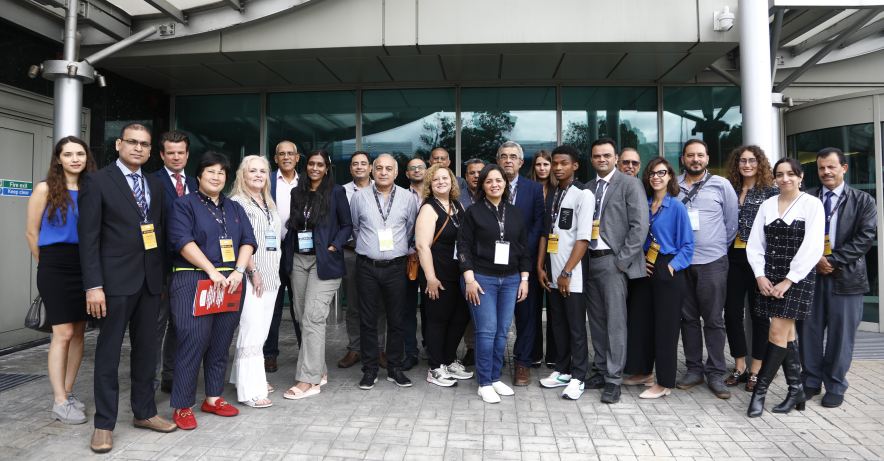
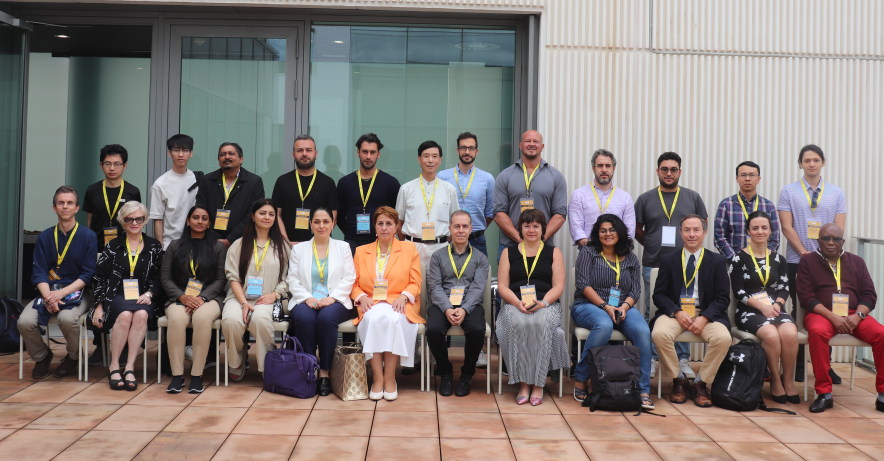
 Europe
 North America
 Asia Pacific
 Middle East
 Africa